

How to Choose a Pest Control Professional in Dahlonega
Finding the right pest control provider in Dahlonega means understanding what makes Lumpkin County unique. Nestled in the foothills of the North Georgia mountains, Dahlonega's climate—marked by humid summers and mild winters—creates ideal conditions for a wide range of pests year-round.
Start by verifying licensing through the Georgia Department of Agriculture. All pest control companies operating in Lumpkin County must hold proper structural pest control licenses. Ask to see current credentials and confirm the business carries adequate liability insurance.
Experience with local pest pressures matters significantly here. Dahlonega's wooded terrain and proximity to the Chattahoochee National Forest mean technicians should understand mountain-specific challenges: stink bugs seeking winter shelter, carpenter ants exploiting moisture-damaged wood, and ticks thriving in brushy areas. A provider familiar with seasonal patterns in North Georgia will time treatments more effectively than one using generic regional approaches.
Request references from nearby homeowners, particularly those with similar property types—whether historic downtown buildings, lake homes on Lanier's tributaries, or rural mountain properties. Check online reviews for mentions of responsiveness, follow-up service, and whether technicians explain treatment plans clearly.
Finally, evaluate their approach to integrated pest management. The best professionals in Dahlonega emphasize prevention alongside treatment, identifying entry points and environmental factors that attract pests rather than relying solely on chemical applications.
What to Expect from Pest Control Services in Dahlonega
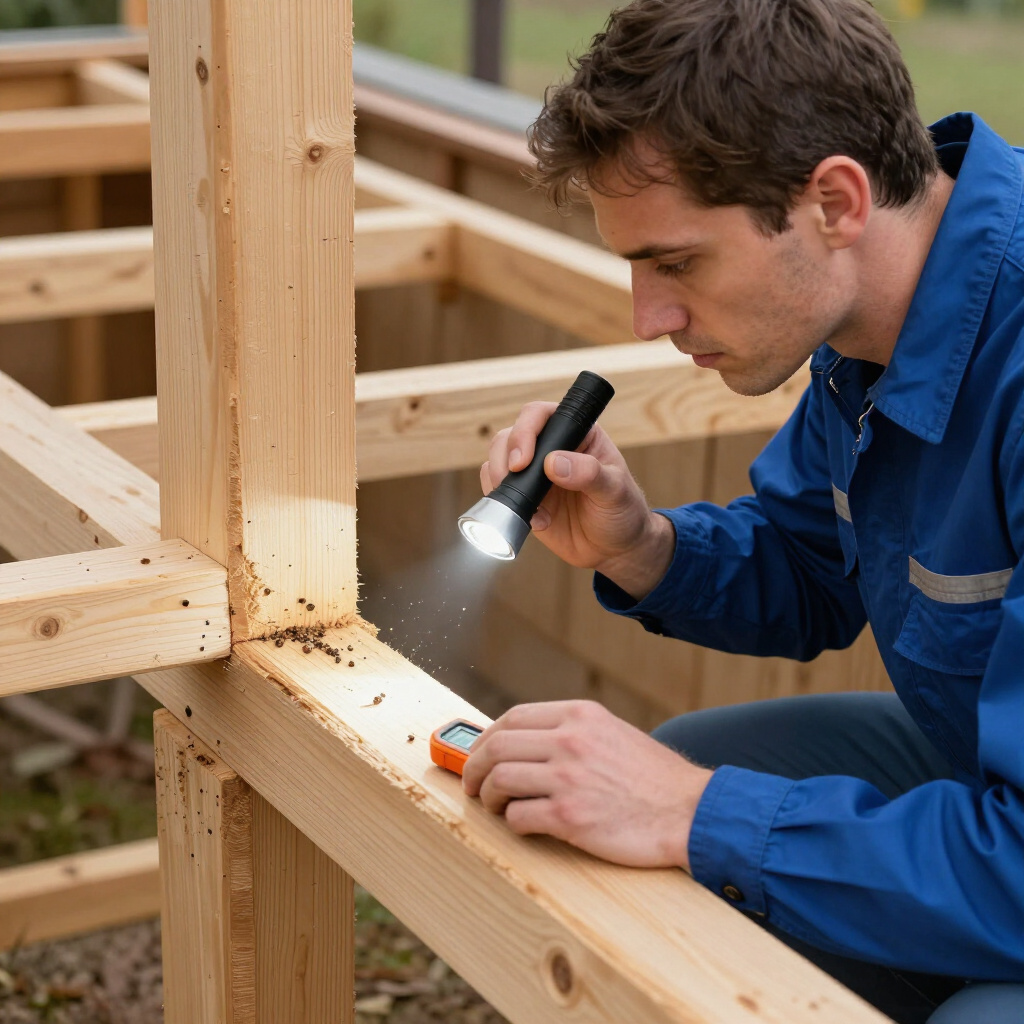
Your first service typically begins with a thorough inspection. A technician will examine your property's exterior perimeter, foundation, attic spaces, basement or crawl space, and any moisture-prone areas. In Dahlonega's mountain environment, they'll pay particular attention to overhanging tree branches, wood-to-soil contact points, and drainage patterns that might harbor pests.
Following assessment, you'll receive a detailed report identifying active infestations, conducive conditions, and a customized treatment proposal. Most residential services in Lumpkin County follow a quarterly schedule, though initial problems may require more frequent visits.
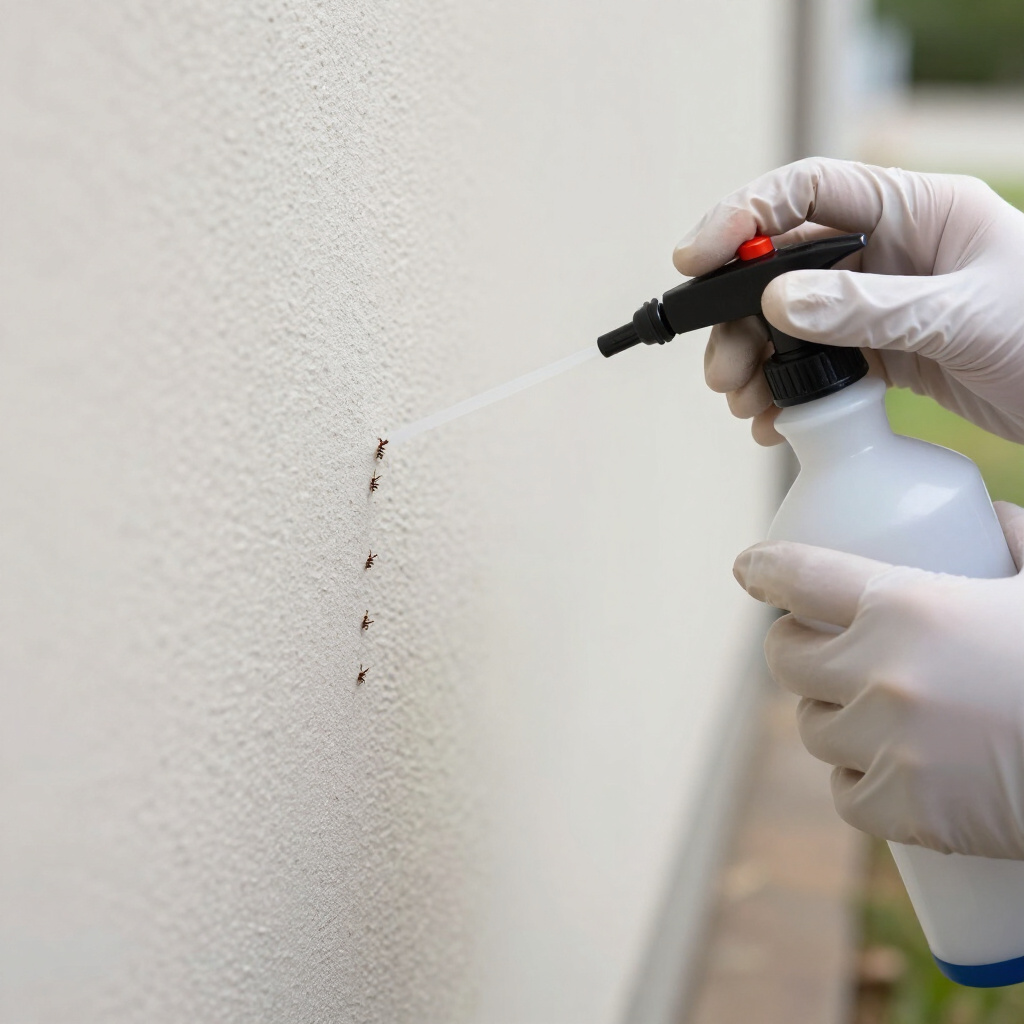
During treatment, technicians apply targeted products to harborage areas, establish barrier protections around your home's foundation, and may use baiting systems or traps depending on the pest species. Interior treatments focus on cracks, crevices, and voids rather than broad spraying. You'll typically need to vacate the premises for two to four hours after certain applications.
Between scheduled visits, reputable companies offer free re-service guarantees—if pests return, so do they, at no additional charge. Expect documentation after each visit noting what was treated, products used, and any recommendations for structural improvements or sanitation changes.
Available Pest Control Services
Dahlonega residents can access comprehensive pest management solutions tailored to North Georgia's specific challenges:
- General Pest Control — Quarterly protection against ants, spiders, roaches, silverfish, and occasional invaders
- Termite Control & Prevention — Liquid barrier treatments and baiting systems; particularly critical given Georgia's heavy termite pressure
- Mosquito Reduction — Seasonal yard treatments from spring through fall, targeting breeding sites common in mountain valleys
- Tick & Flea Management — Property perimeter treatments protecting pets and family members who enjoy outdoor recreation
- Wildlife & Rodent Exclusion — Sealing entry points and removing squirrels, raccoons, mice, and rats that seek shelter as temperatures drop
- Bed Bug Elimination — Heat remediation and targeted chemical protocols for infestations in homes and rental properties
- Wasp & Hornet Nest Removal — Safe elimination of aerial and ground-nesting stinging insects common to wooded properties
Many providers also offer specialized services for moisture control and crawl space encapsulation, addressing the root environmental conditions that attract pests to mountain homes with high humidity or drainage issues.
Frequently Asked Questions
What pests are most common in Dahlonega homes?
Homeowners in Dahlonega most frequently deal with carpenter ants, subterranean termites, mice seeking winter shelter, stink bugs, spiders, and ticks. The mountainous, wooded environment supports larger wildlife populations than urban areas, making occasional squirrel or raccoon intrusions common as well.
How often should I schedule pest control service?
Most Lumpkin County properties benefit from quarterly preventive service. However, homes with heavy tree canopy, water features, or previous infestations may need bi-monthly visits initially. Termite protection requires annual inspection and monitoring regardless of other services.
Are pest control treatments safe for my pets and family?
Modern pest control products, when applied by licensed professionals according to label directions, pose minimal risk. Technicians use targeted application methods that minimize exposure. You'll receive specific re-entry instructions, typically involving brief waiting periods after interior treatments. Always inform your provider about pets, aquariums, or family members with sensitivities.
Why do I see more pests after treatment?
Temporary increased activity is normal and actually indicates treatment effectiveness. Pests disturbed by products often emerge from hiding spaces before succumbing. This flushing effect typically resolves within one to two weeks. Contact your provider if activity persists beyond this window.
Can I handle pest problems myself instead of hiring a professional?
DIY products may manage minor, isolated issues, but Dahlonega's pest pressures often require professional intervention. Termites cause structural damage invisible until severe, carpenter ants establish satellite colonies throughout homes, and improper pesticide use can worsen problems or create health hazards. Licensed professionals have access to more effective products and the training to identify underlying causes.