
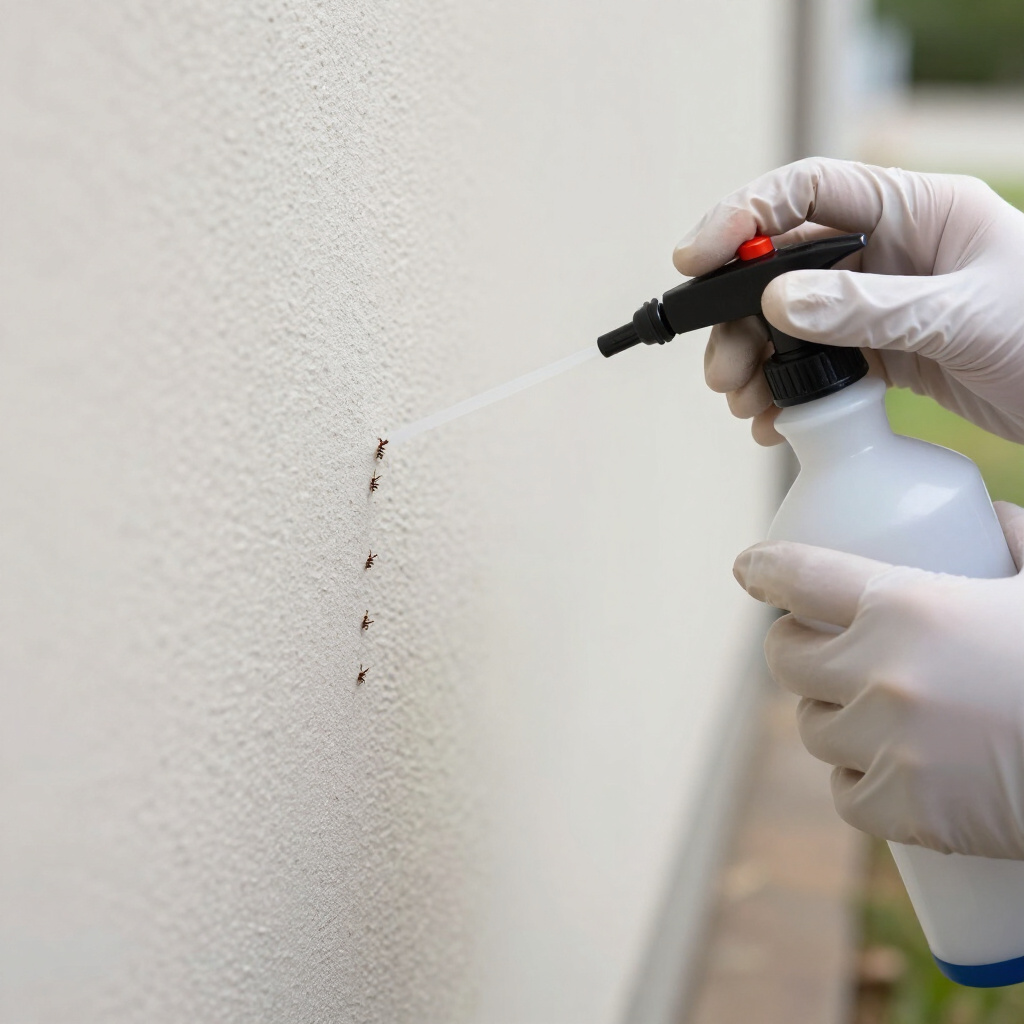


Pest Control Services in Flowery Branch, GA
Flowery Branch sits along the northeastern shores of Lake Lanier in Hall County, where the humid subtropical climate and abundant water access create ideal conditions for pest activity throughout the year. From the historic downtown district near Main Street to the newer subdivisions around Spout Springs Road and the waterfront communities along the lake, homeowners and businesses face distinct pest control challenges that require localized expertise.
The mixture of mature hardwood forests, residential development, and commercial corridors throughout Flowery Branch produces varied pest pressure zones. Properties backing up to wooded areas near the Chattahoochee National Forest foothills frequently encounter wildlife intrusions, while lake-adjacent homes contend with moisture-loving insects and seasonal mosquito swarms. Commercial accounts along McEver Road and the growing business district near I-985 need proactive programs that maintain compliance without disrupting operations.
Effective pest management in Flowery Branch demands understanding of seasonal patterns specific to this northern Georgia region. Spring and early summer bring carpenter ant swarms, termite activity peaks, and stinging insect nest establishment. Late summer through fall sees rodent migration toward structures as temperatures drop, with mice and rats exploiting foundation gaps common in homes built on sloped terrain. Winter months rarely provide lasting relief—subterranean termites remain active year-round in Georgia's mild climate, and occasional warm spells trigger early ant foraging.
Our service programs for Flowery Branch properties address the full spectrum of regional pest concerns with treatment protocols developed for Hall County's environmental conditions. Exterior perimeter defense, targeted interior applications, and habitat modification recommendations work together to establish sustainable protection rather than temporary suppression.
Flowery Branch Neighborhoods & Coverage Zones
- Lake Lanier waterfront communities
- Historic downtown and surrounding residential
- Spout Springs Road corridor
- McEver Road commercial district
- I-985 interchange area developments
- Auburn Road and northern subdivisions
Frequently Asked Questions About Pest Control in Flowery Branch
What pests are most common in Flowery Branch homes?
Ants—particularly odorous house ants and carpenter ants—rank among the most frequent complaints, followed by subterranean termites, spiders, cockroaches, and rodents. The proximity to Lake Lanier also elevates mosquito concerns during warmer months, and wildlife issues involving squirrels, raccoons, and occasional snakes affect properties with wooded borders.
How does the Lake Lanier area affect pest activity?
The lake moderates temperatures and increases ambient humidity, extending the active season for many insects and supporting larger mosquito populations. Waterfront and near-water properties experience elevated moisture levels that attract wood-destroying organisms and create favorable conditions for pest harborage. Specialized treatment approaches account for these environmental factors.
Are termites a serious concern in Flowery Branch?
Yes—Hall County falls within Georgia's high-risk zone for subterranean termites, including the particularly destructive Formosan subterranean termite in some areas. The combination of clay soils, abundant moisture, and mature wooded surroundings creates optimal conditions for colony establishment. Annual inspections and preventive treatments provide essential protection for structures in this region.
What should commercial properties near I-985 know about pest control?
High-traffic corridors attract pests through transported goods, food service waste, and the heat signatures of large buildings. Retail, restaurant, and hospitality businesses in this zone benefit from integrated pest management programs that emphasize exterior prevention, rigorous monitoring, and documentation for health department compliance. Rapid response capabilities minimize disruption when issues arise.