
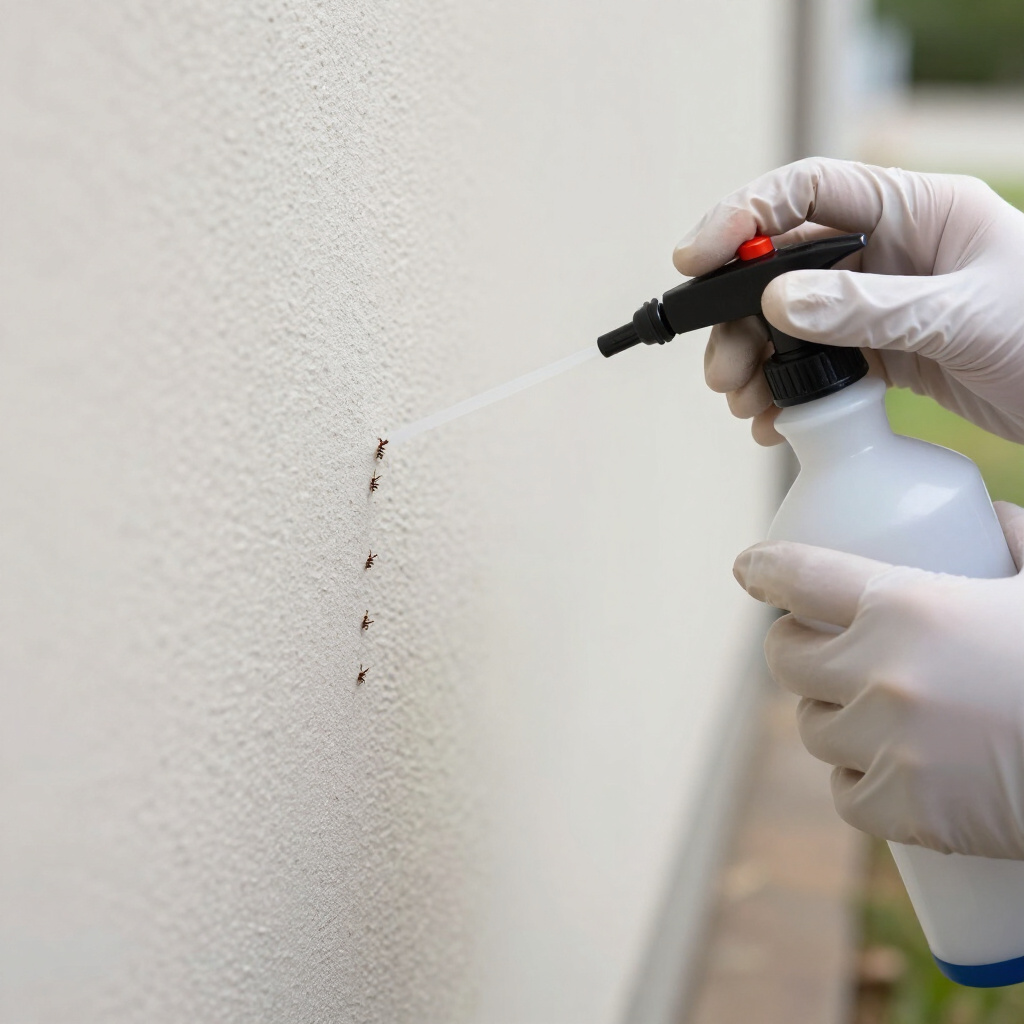


Pest Control Services in Cumming, GA
Cumming sits at the heart of Forsyth County, where suburban neighborhoods blend into wooded hillsides and Lake Lanier's shoreline creates the humid conditions pests love. From historic homes near the downtown square to newer developments along GA-400, local properties face year-round pressure from ants, mosquitoes, termites, and rodents that thrive in North Georgia's climate.
Our technicians understand the specific pest patterns that affect Cumming homes. The area's combination of mature hardwood forests, lake proximity, and rapid residential growth creates unique challenges you won't find in more urban parts of metro Atlanta. Seasonal lake level fluctuations, for instance, often drive rodents and moisture-seeking insects into crawl spaces and basements that homeowners assumed were secure.
We provide targeted treatments for Cumming's most common pest concerns, including fire ant management for lawns that back up to open pasture, carpenter bee prevention for cedar siding and deck structures, and mosquito reduction programs that account for the extended breeding season along Lake Lanier's coves. Every service plan considers your property's specific landscape features, construction type, and proximity to water or wooded areas.
Common Pest Control Questions for Cumming Homeowners
Why do I see more pests in my Cumming home during spring and fall?
North Georgia's seasonal temperature swings drive significant pest movement. In spring, warming soil triggers ant colonies to expand and sends termite swarmers searching for new nesting sites—often the wooden structures of your home. Fall brings cooler nights that push rodents, spiders, and overwintering insects indoors through gaps as small as a quarter-inch. Cumming's location between the lake and the foothills amplifies these patterns because the moderating effect of Lake Lanier keeps temperatures in the pest activity range longer than in areas further inland.
Are termites really a serious problem in Forsyth County?
Yes—eastern subterranean termites are active throughout Forsyth County, and Cumming's older neighborhoods with mature landscaping provide ideal conditions for established colonies. The clay-heavy soil common in this area holds moisture well, which termites need to survive. Homes with crawl spaces are particularly vulnerable because the dark, humid environment mimics natural decaying wood habitats. We recommend annual inspections for any Cumming property, especially those built before 2000 or surrounded by mature oak, pine, or poplar trees that may harbor hidden colonies.
How does living near Lake Lanier affect my pest control needs?
Lake proximity creates distinct pest pressures that require specialized approaches. Mosquitoes breed longer into fall here than in drier areas, often remaining active through October during warm years. The lake's fluctuating water levels expose muddy shorelines that harbor midge flies and other nuisance insects. Additionally, the higher ambient humidity around the lake basin accelerates wood decay, making structures more attractive to carpenter ants and termites. Homes within a mile of the shoreline typically need more frequent perimeter treatments and enhanced moisture control measures compared to properties in drier parts of Forsyth County.
Pest Challenges Specific to Cumming Properties
Fire ants remain one of the most complained-about pests in Cumming's residential areas. The imported red fire ant has spread throughout Forsyth County, establishing mounds in sunny lawn areas that can number in the dozens on untreated properties. Unlike native ant species, fire ants are aggressive defenders of their territory, making yard work and children's play areas genuinely hazardous. Effective control requires treating the entire colony, not just visible mounds, because queens can establish satellite nests up to 30 feet from the main mound.
Wildlife intrusion presents another concern distinct to Cumming's suburban-rural interface. Raccoons, squirrels, and occasionally bats exploit roof damage from summer storms or ice accumulation to access attics. The mature tree canopy in neighborhoods like Windermere and Vickery provides convenient highway systems for these animals. Once inside, they create fire risks through gnawed wiring, introduce parasites, and contaminate insulation. Our wildlife management approach combines humane exclusion with structural repairs that prevent re-entry.
Finally, the area's construction boom has disturbed established wildlife corridors, sending displaced animals into newly completed developments. New construction homes, despite their modern sealing, often have settling-related gaps that appear within the first two years. We recommend new Cumming homeowners schedule a post-construction pest assessment to identify these vulnerabilities before they become entry points.