


Common Pest Control Problems in Covington
Living in Covington means enjoying Newton County's historic charm, tree-lined streets, and proximity to the Alcovy and Yellow Rivers. But that same natural beauty creates ideal conditions for pests to thrive. Homeowners here deal with a unique set of challenges shaped by our humid subtropical climate, abundant waterways, and mix of older and newer construction.
Termites rank among the most destructive threats in Covington. Subterranean termites flourish in Georgia's warm, moist soil, and they find plenty to feast on in our established neighborhoods with mature landscaping. Many homes near the downtown historic district and along rural roads face elevated risk due to aging foundations and wood-to-ground contact.
Mosquitoes plague properties from Porterdale to the county's eastern edges. Standing water in creek beds, backyard ponds, and even clogged gutters after seasonal rains creates relentless breeding grounds. The concern goes beyond itchy bites—West Nile virus and other mosquito-borne illnesses remain active threats in Newton County.
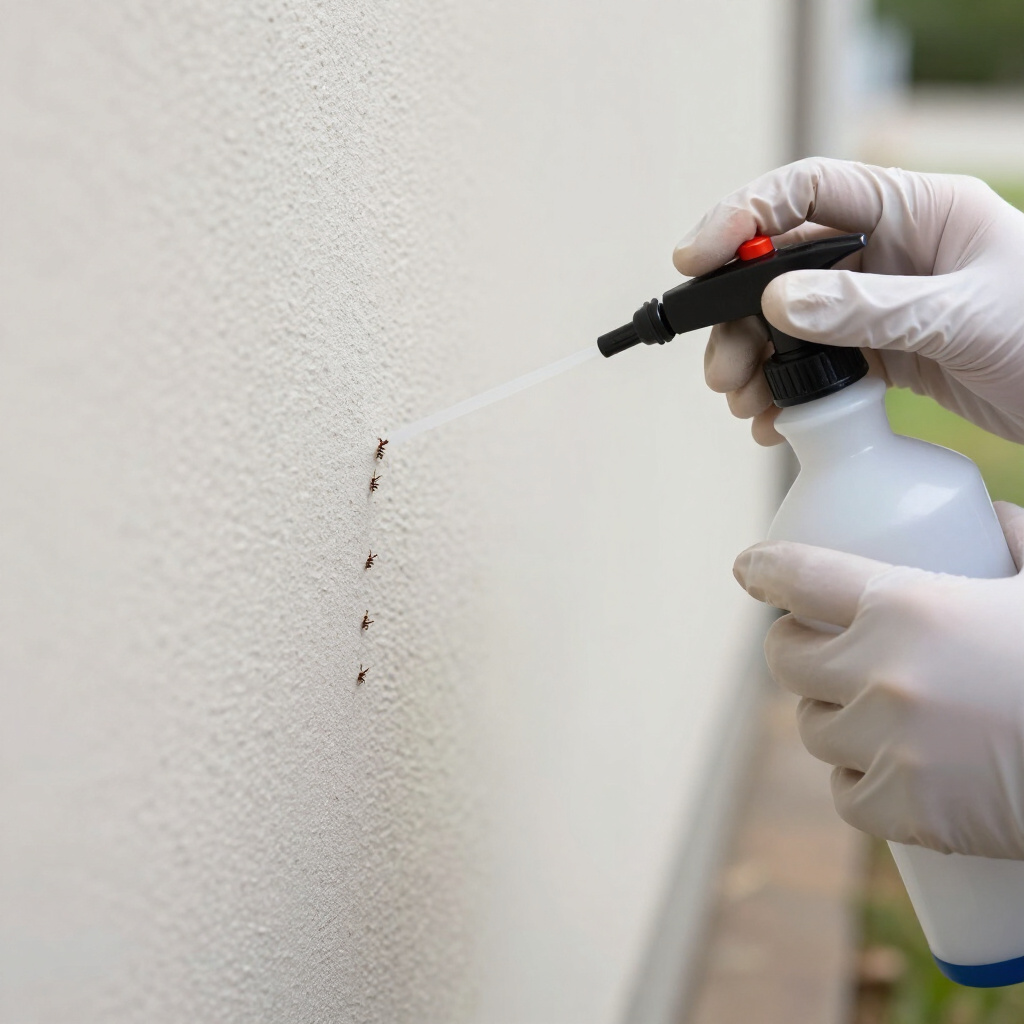
Ant infestations accelerate during spring and summer months. Fire ants build unsightly and dangerous mounds in lawns, while Argentine ants and odorous house ants trail into kitchens seeking moisture and food. The area's clay-heavy soil actually helps some ant species establish extensive underground colonies.
Rodent pressure intensifies as temperatures drop. Field mice and Norway rats seek shelter in crawl spaces, attics, and wall voids—particularly in homes near agricultural areas or undeveloped lots common on Covington's outskirts. Once inside, they contaminate insulation, chew wiring, and spread disease.
Cockroaches, including American and German species, exploit the humidity that persists in basements and crawl spaces throughout Newton County. Older homes with gaps in exterior sealing provide easy entry points.
How We Help Covington Homeowners
Effective pest management here requires understanding local conditions—not applying generic treatments. Our technicians begin with thorough inspections that account for Covington's specific environmental factors: soil composition, seasonal water patterns, common construction styles, and neighborhood pest trends.
We identify how pests access your property and what attracts them. For termite concerns, we evaluate moisture gradients around foundations and wood-soil contact points. For mosquito issues, we map breeding sources beyond the obvious—uncovering hidden water collection in tarps, planter saucers, and drainage irregularities.
Treatment plans integrate multiple control methods rather than relying solely on chemical applications. Exclusion work seals entry points rodents and insects exploit. Habitat modification reduces conditions that support pest populations. Targeted treatments address active infestations with precision, minimizing unnecessary pesticide use around your family and pets.
Ongoing monitoring catches problems before they escalate. Quarterly service visits align with Covington's pest pressure cycles, providing protection during peak activity periods while maintaining vigilance during quieter months.
Pest Control Services Available in Covington
Our comprehensive service menu addresses every pest concern Newton County residents encounter:
- Termite Control & Prevention – Liquid barrier treatments, baiting systems, and wood-destroying organism inspections with clear reporting for real estate transactions
- Mosquito Reduction Programs – Seasonal treatments targeting adult populations and larvicide applications for breeding source management
- Ant Management – Species-specific strategies for fire ants, carpenter ants, and nuisance ant species with colony-elimination focus
- Rodent Exclusion & Control – Trapping, population reduction, and structural sealing to prevent re-entry
- Cockroach Elimination – Integrated approaches combining baiting, growth regulators, and harborage elimination
- General Pest Protection – Coverage for spiders, silverfish, earwigs, stinging insects, and occasional invaders
- Commercial Pest Management – Customized programs for restaurants, retail, healthcare, and industrial facilities throughout the Covington area
Pest Control Pricing in the Covington Area
Service costs reflect property specifics, pest type, and infestation severity rather than flat-rate pricing that often leads to inadequate treatment or unnecessary expense.
Initial inspections for Covington-area homes typically range from $75–$150, with this fee frequently credited toward treatment when you proceed with service. General pest control plans for average-sized homes run approximately $35–$65 monthly or $100–$180 quarterly, depending on property size and coverage scope.
Termite protection represents a larger investment—generally $800–$1,500 for initial liquid treatment or bait system installation, with annual monitoring fees of $250–$400. Given the significant repair costs termite damage generates in Georgia's favorable climate, this prevention-focused spending protects substantial home equity.
Mosquito season programs, typically April through October, average $65–$95 per treatment with discounts for full-season commitments. Rodent control involving exclusion work and population elimination starts around $300–$600 for initial service, with follow-up as needed.
We provide detailed written estimates before any work begins, explaining exactly what each charge covers and what results you should expect.
Frequently Asked Questions
What pests are most active in Covington during summer?
Mosquitoes, fire ants, and spiders peak from May through September in Newton County. Termite swarmers typically appear in spring, while wasp and hornet activity builds through late summer. Our seasonal treatment calendar anticipates these patterns.
How quickly can you respond to a pest emergency in Covington?
We schedule new customer inspections within 1–2 business days, with same-day service available for urgent situations like active termite swarms or rodent infestations. Our service territory covers all Covington ZIP codes and surrounding Newton County communities.
Are your treatments safe for pets and children?
Yes. We use targeted application methods that minimize chemical exposure, applying products precisely where pests travel and harbor rather than broadcast spraying. We provide specific re-entry guidelines based on materials used, and we prioritize low-toxicity options around sensitive areas.