

Pest Control Services in Snellville, GA
Snellville sits at the heart of Gwinnett County, where the humid subtropical climate creates ideal conditions for pests year-round. From the established neighborhoods near Snellville Park to the newer developments along Highway 78, residents face a rotating cast of unwanted visitors that change with the seasons. Understanding which pests target Snellville homes—and when—helps homeowners stay ahead of infestations before they take hold.
Common Pests in Snellville Homes
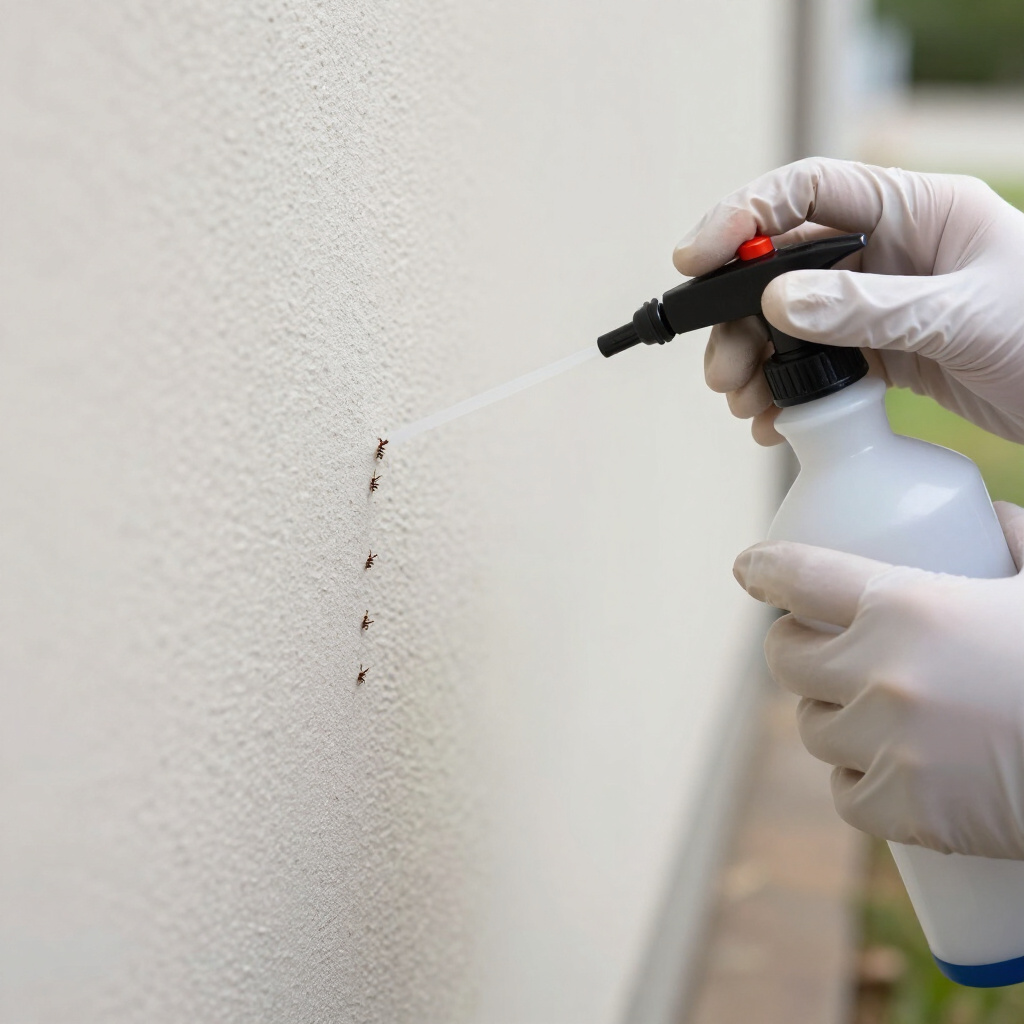
Ants rank among the most frequent complaints throughout Gwinnett County, with Argentine ants and odorous house ants forming massive supercolonies that can span multiple properties. These tiny invaders exploit the smallest cracks in foundations, often trailing along kitchen counters in search of moisture and food residue.
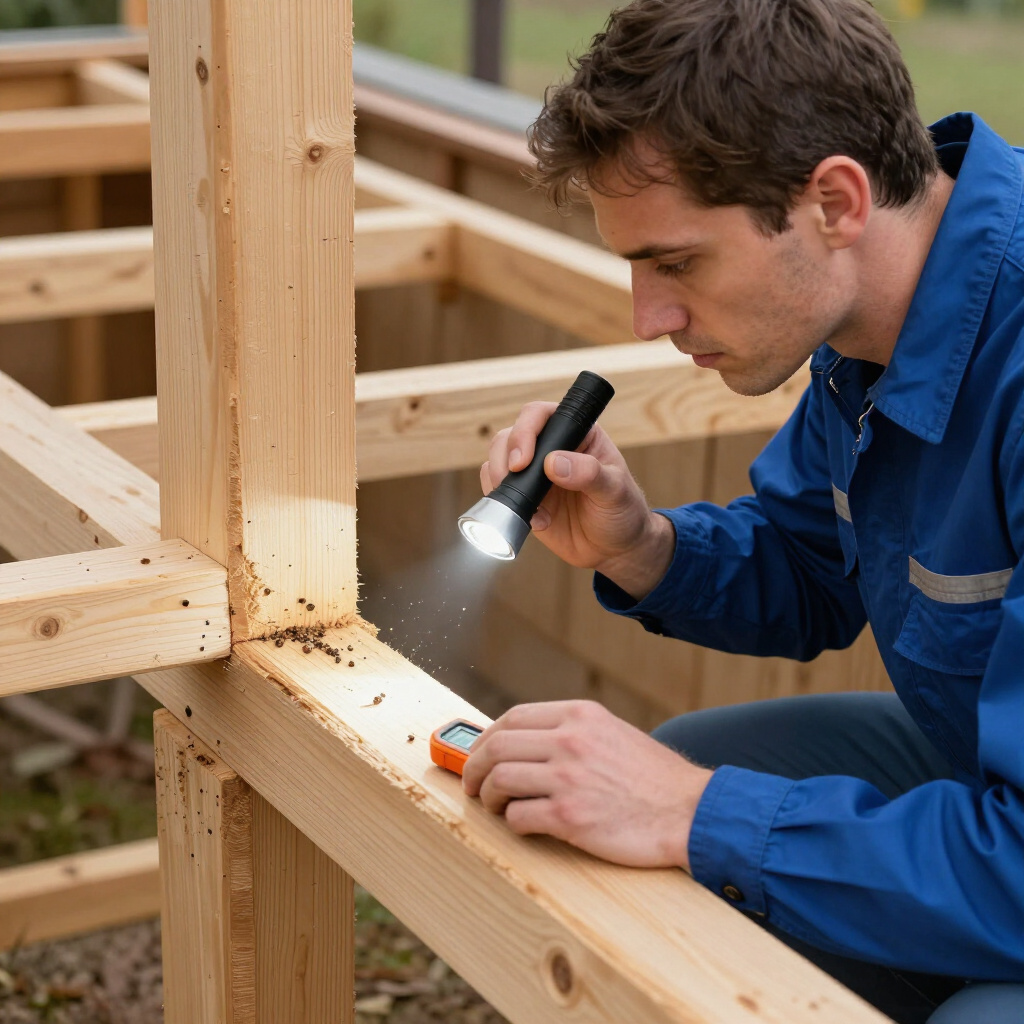
Termites pose a particularly stealthy threat to Snellville's many wood-frame homes. Eastern subterranean termites thrive in Georgia's warm, moist soil, silently consuming structural timbers for years before visible damage appears. Annual inspections prove essential for early detection in this high-risk region.
Mosquitoes flourish from spring through fall, especially near wetlands and retention ponds common in newer subdivisions. The Asian tiger mosquito, an aggressive daytime biter, has established itself firmly across Gwinnett County, making backyard enjoyment difficult without professional management.
Roof rats and Norway rats increasingly trouble Snellville neighborhoods, particularly where construction disturbs natural habitats or where bird feeders and unsecured garbage provide easy meals. These nocturnal pests contaminate food, gnaw wiring, and reproduce rapidly once indoors.
Seasonal Pest Patterns in Gwinnett County
Spring brings termite swarms, typically March through May, when reproductive termites emerge to establish new colonies. This period also marks the return of stinging insects—paper wasps, yellow jackets, and carpenter bees become active as temperatures consistently climb above 60 degrees.
Summer peaks for mosquito activity, fire ants, and spider populations. The combination of heat and afternoon thunderstorms creates perfect breeding conditions. Fall drives rodents indoors seeking warmth as temperatures drop, while overwintering pests like stink bugs and Asian lady beetles cluster on sun-facing exterior walls.
Winter offers no true respite—indoor pests including German cockroaches, silverfish, and pantry moths remain active in heated homes, making year-round vigilance necessary.
Integrated Pest Management for Snellville Properties
Effective pest control in Snellville requires more than reactive treatments. Integrated Pest Management (IPM) approaches address the root causes of infestations through inspection, exclusion, habitat modification, and targeted applications when necessary.
Exclusion work—sealing entry points around utility penetrations, repairing damaged soffits, installing door sweeps, and screening vents—provides lasting protection that chemical treatments alone cannot match. Reducing moisture through proper drainage, gutter maintenance, and crawl space encapsulation eliminates conditions that attract wood-destroying organisms.
Landscape management also matters significantly. Keeping mulch at least six inches from foundations, trimming vegetation away from structures, and eliminating standing water deprives pests of harborage and breeding sites adjacent to homes.
Frequently Asked Questions About Pest Control in Snellville
How often should Snellville homes receive professional pest control?
Quarterly service provides optimal protection for most Gwinnett County properties, with bi-monthly visits recommended during peak seasons or for homes with persistent issues. Properties near wooded areas, water features, or with historical infestations may benefit from monthly monitoring.
Are the treatments safe for children and pets?
Modern pest control products target specific pest biology with minimal mammalian toxicity. Reputable providers apply treatments precisely to affected areas rather than broadcasting chemicals broadly. Residents typically receive clear guidance on re-entry timing, which often ranges from immediate to four hours depending on the product and application method used.
What should I do before a pest control technician arrives?
Access to all rooms, including closets, garages, and basements, allows thorough inspection. Securing food items, removing pet bowls and toys, and noting recent pest activity locations helps technicians target their efforts effectively. For termite inspections, clearing storage away from interior walls around the perimeter improves visibility.