


Common Pest Control Problems in Union City
Union City homeowners in Clayton County deal with pest pressures that shift dramatically between seasons. The humid subtropical climate creates ideal breeding conditions for mosquitoes from late spring through fall, with standing water in low-lying areas near the Chattahoochee River watershed serving as prime breeding grounds. Subterranean termites remain active year-round in Georgia's mild winters, silently damaging crawl spaces and slab foundations while homeowners remain unaware until costly repairs become unavoidable.
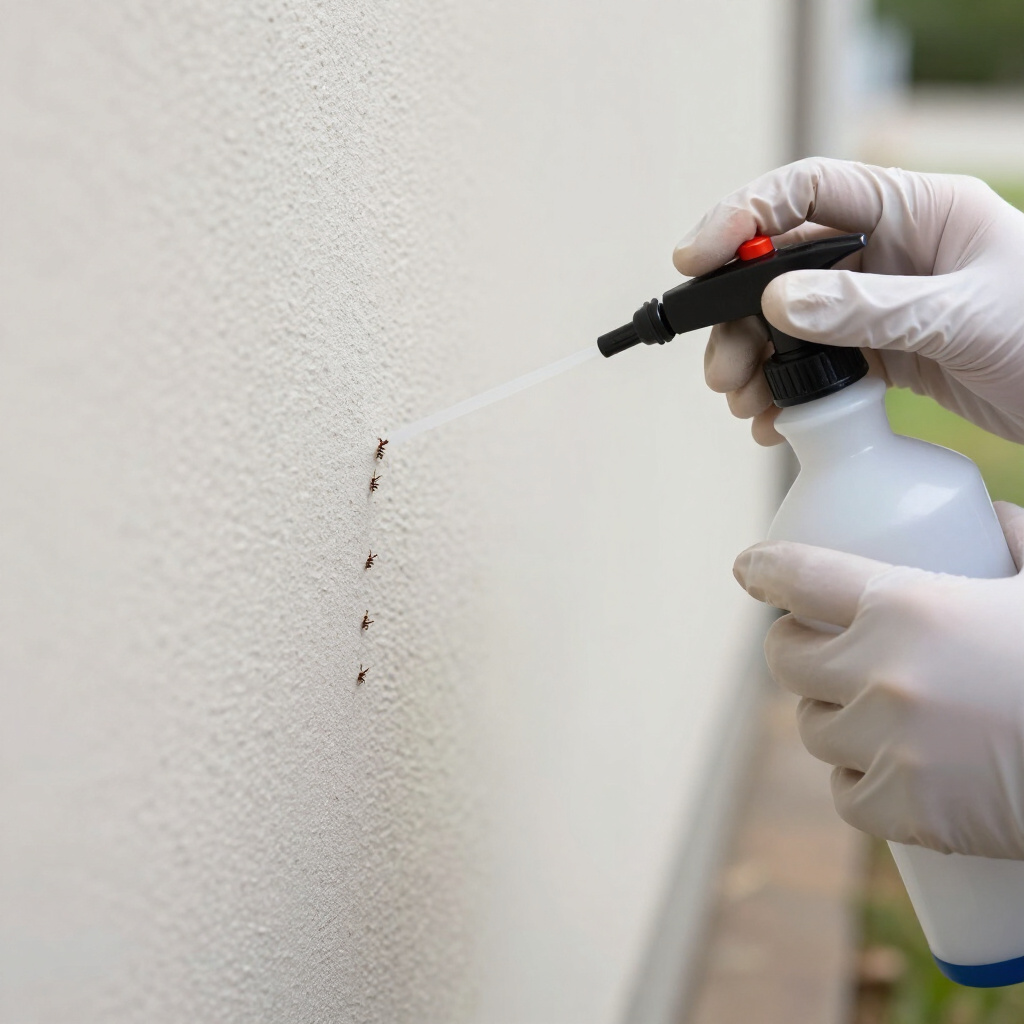
Ant infestations present persistent challenges throughout Union City neighborhoods. Argentine ants form massive supercolonies that resist over-the-counter treatments, while fire ant mounds proliferate in the sandy, red clay soils common to south metro Atlanta. During cooler months, rodents exploit gaps in aging home exteriors, particularly in established communities near downtown Union City where structures may have settled over decades.
Cockroach pressure intensifies in summer when American and smokybrown cockroaches seek moisture and cooler indoor environments. The area's mix of residential development, commercial corridors along Highway 85, and remaining green spaces creates wildlife conflict zones—squirrels, raccoons, and occasionally snakes navigate between habitats and attics with surprising frequency.
How We Help Union City Homeowners
Our approach begins with thorough property inspections that account for Union City's specific environmental factors. We identify moisture intrusion points common in Clayton County's clay-heavy soil, which expands and contracts seasonally, compromising foundation seals. Each treatment plan addresses the root conditions attracting pests rather than applying generic chemical barriers.
Integrated Pest Management guides every service decision. This means combining targeted applications with exclusion work—sealing entry points, improving ventilation in crawl spaces, and modifying landscaping to reduce pest harborage. For termite protection, we utilize monitoring systems appropriate for Georgia's termite-heavy environment, with inspection schedules aligned to swarm season timing in the region.
Our technicians live and work in the south Atlanta metro area, providing response times that matter when fire ant mounds appear overnight or when rodents begin nighttime activity in ceilings. We coordinate treatments around Union City residents' schedules, including weekend availability for working families.
Pest Control Services Available in Union City
- Residential Pest Control: Ongoing protection plans with quarterly or bi-monthly exterior treatments, interior coverage as needed, and unlimited callback service.
- Termite Control & Prevention: Liquid barrier treatments, baiting systems, and annual WDIR inspections required for real estate transactions.
- Mosquito Reduction: Seasonal yard treatments targeting breeding sites and adult resting areas.
- Rodent Control: Trapping, exclusion sealing, and sanitation recommendations for attics, crawl spaces, and wall voids.
- Wildlife Management: Humane removal and exclusion for squirrels, raccoons, bats, and other nuisance wildlife.
- Commercial Pest Control: Customized programs for restaurants, retail, warehouses, and office properties along Union City's commercial corridors.
- Bed Bug Treatment: Heat remediation and targeted chemical protocols.
- Flea & Tick Control: Yard and indoor treatments for households with pets.
Pest Control Pricing in the Union City Area
General pest control plans for Union City residences typically range from $39 to $89 monthly depending on property size, pest pressure severity, and service frequency. Initial treatments addressing active infestations generally cost between $149 and $299, with follow-up visits included in ongoing plan structures.
Termite protection represents a significant but essential investment, with liquid barrier treatments for average-sized Union City homes starting around $800 to $1,400 and annual renewal fees maintaining coverage warranties. Bait system installations run comparable to slightly higher, with monitoring included.
Specialized services carry distinct pricing: mosquito season packages generally span $69 to $99 per treatment with monthly applications during peak months; rodent control programs including trapping and exclusion work start near $299 for initial service; wildlife removal costs vary substantially based on species, access difficulty, and necessary repairs.
We provide detailed written estimates before any work begins, with no obligation inspections available for Union City properties in Clayton County and surrounding south Fulton communities.
Frequently Asked Questions
How quickly can you respond to pest problems in Union City?
We typically schedule initial inspections within 24 to 48 hours for Union City and surrounding Clayton County areas. Emergency situations involving stinging insects or active rodent infestations receive same-day priority when possible.
Are your treatments safe for children and pets?
Yes. We apply products according to labeled specifications with specific attention to drying times and application placement. Interior treatments focus on cracks, crevices, and voids rather than open surfaces. We discuss any household sensitivities before service and can adjust protocols accordingly.
Do I need year-round pest control in Union City?
Georgia's climate supports pest activity throughout all seasons, though the specific pests change. Winter rodent pressure, spring termite swarms, summer mosquito and ant activity, and fall spider invasions create year-round demand. Continuous protection prevents population establishment rather than reacting to visible problems.
What makes Union City different for pest control compared to other Atlanta suburbs?
Union City's position in south metro Atlanta, proximity to the Chattahoochee River corridor, mix of established and newer development, and specific soil composition create unique pest pressures. Clay-heavy soils affect foundation settling and termite behavior, while remaining natural areas maintain wildlife corridors into residential neighborhoods.