

Pest Control Services in Temple, GA
Temple sits in the heart of Carroll County, where warm Georgia summers and mild winters create year-round conditions for pest activity. Residents here deal with everything from seasonal ant invasions to persistent termite threats that can damage homes built on the area's clay-rich soil. Whether you live near the downtown corridor or in one of the newer developments spreading toward the county line, local pest pressures demand solutions tailored to this specific environment.
Our technicians understand Temple's unique positioning—close enough to Atlanta's urban heat island to see expanded mosquito seasons, yet rural enough for wildlife conflicts and agricultural pest migration. We treat homes, rental properties, and small businesses throughout the 30179 zip code with methods calibrated for Carroll County's humidity patterns and soil conditions.
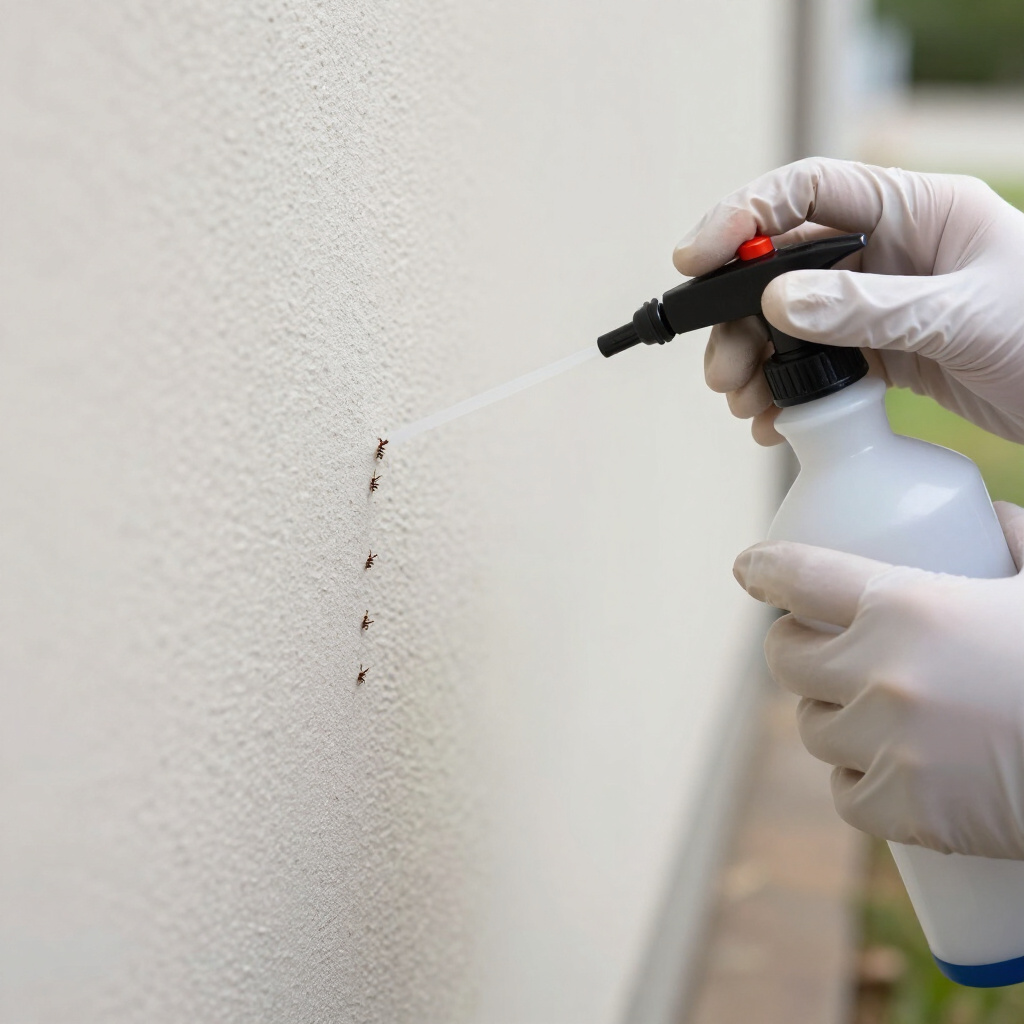
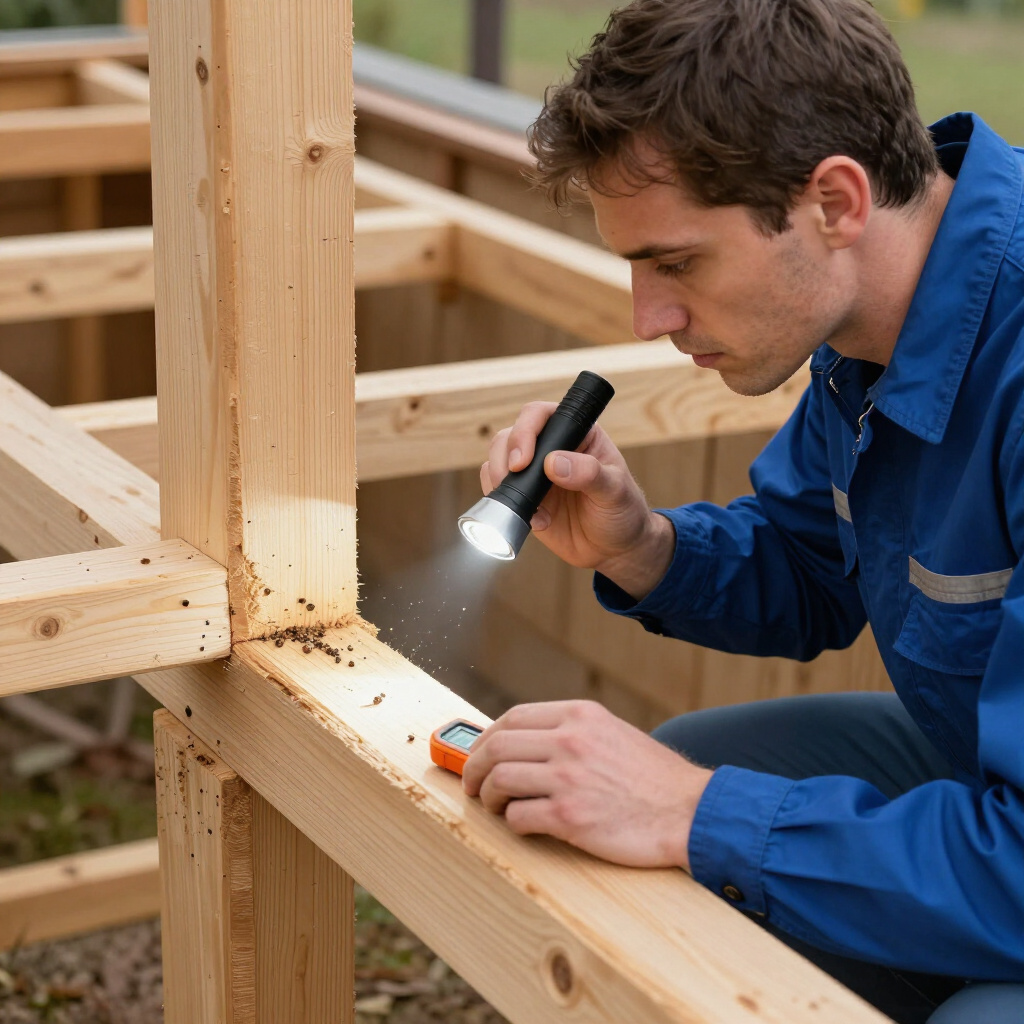
Common services for Temple properties include ant control for Argentine and fire ant colonies, termite protection using soil treatments and monitoring systems, mosquito reduction for yards and outdoor spaces, rodent exclusion as temperatures drop, and spider management for brown recluse and wolf spider populations. We also handle seasonal surges of stink bugs, earwigs, and occasional invaders that push inward from surrounding farmland and wooded lots.
Why Temple Homes Face Distinct Pest Challenges
The geography around Temple creates a convergence zone for pest activity. Little Tallapoosa River and its tributaries run through the area, providing water sources that sustain mosquito breeding and attract moisture-seeking insects. Mature oak and pine forests border many neighborhoods, serving as reservoirs for carpenter ants, wood-boring beetles, and wildlife that eventually explore residential structures.
Homes in Temple also span multiple decades of construction, from mid-century ranch homes to recent builds. Older properties often have settled foundations with gaps and cracks that rodents exploit. Newer construction, while tighter, can still have construction debris attracting initial pest populations or landscaping that bridges treated zones with untreated soil. Our inspections account for these structural variations, identifying vulnerabilities specific to your home's age and building methods.
Seasonal timing matters significantly in Carroll County. Late winter brings termite swarmers—often mistaken for flying ants—as colonies expand. Spring rains drive earwigs, millipedes, and springtails indoors. Summer peaks for mosquitoes, fire ants, and wasp nest establishment. Fall triggers rodent entry as temperatures drop, while even mild winter days can activate indoor pests when heating systems create favorable microclimates.
Frequently Asked Questions About Pest Control in Temple
How often should Temple homes receive pest control treatments?
Most Carroll County properties benefit from quarterly service to maintain consistent protection through our extended warm season. Homes with active termite contracts or those near wooded areas, water sources, or agricultural land may need bi-monthly visits during peak activity months. We adjust frequency based on your specific property conditions, pest history, and whether you require purely preventive service or are managing an active infestation.
Are the treatments safe for my pets and children?
Yes. We use application methods and products selected for residential safety when applied according to label directions. Liquid treatments typically dry within 1-2 hours, during which we recommend keeping pets and children away from treated areas. We prioritize targeted applications—treating entry points, harborage areas, and perimeter zones rather than broadcasting chemicals throughout living spaces. Our technicians will provide specific re-entry guidance based on the products used during your service.
What should I do between professional treatments to prevent pests?
Focus on moisture management, since Temple's humidity supports so many pest species. Ensure gutters drain properly, fix leaky outdoor faucets, and maintain 6-12 inches of clearance between your home's foundation and any mulch or soil. Store firewood at least 20 feet from structures. Seal obvious gaps around utility penetrations, and keep pet food in sealed containers. These steps complement our professional barrier treatments and significantly reduce pest pressure between scheduled visits.