


How to Choose a Pest Control Professional in Duluth
Finding the right pest control service in Duluth means looking beyond basic extermination. Gwinnett County's humid subtropical climate creates ideal conditions for year-round pest pressure—from spring termite swarms to winter rodent invasions seeking warmth in suburban homes.
Start by verifying Georgia Department of Agriculture licensure, which all pest control operators must hold. Ask specifically about experience with Duluth's common invaders: Argentine ants marching through kitchen perimeters, brown recluse spiders in undisturbed storage areas, and the subterranean termite species prevalent throughout Gwinnett's clay-heavy soil.
Request a written inspection report before committing to treatment. Quality professionals serving the Duluth area should identify entry points, moisture conditions attracting pests, and whether your property sits near wooded corridors like those along the Chattahoochee River tributaries. Check reviews mentioning follow-up reliability—seasonal pest cycles here demand ongoing partnership, not one-time fixes.
What to Expect from Pest Control Services in Duluth
Your first service typically begins with a comprehensive property assessment lasting 45–90 minutes. Technicians examine foundation perimeters, crawl spaces, attic access points, and landscaping features that bridge exterior and interior environments. In Duluth's established neighborhoods, mature tree canopies and irrigation systems often contribute to pest highways that newer subdivisions avoid.
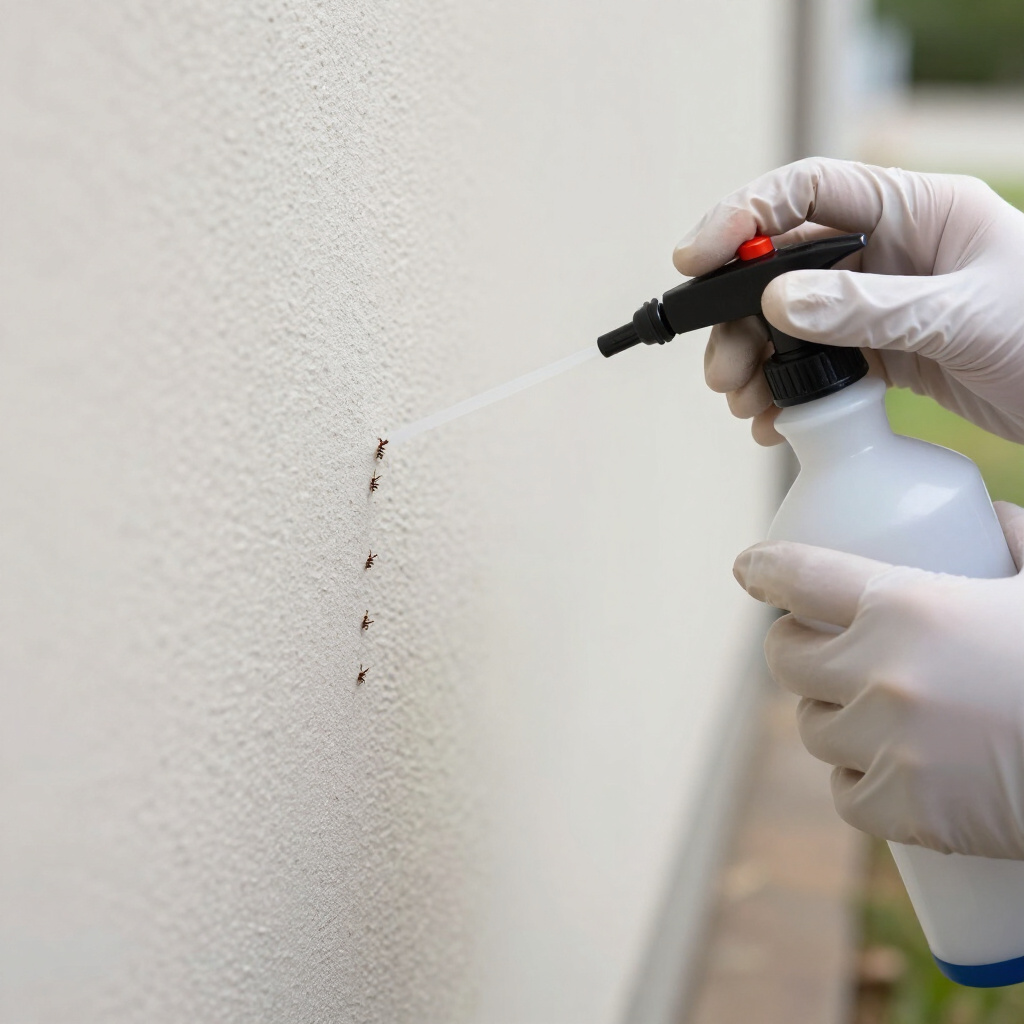
Treatment implementation follows inspection findings. Exterior perimeter barriers using microencapsulated formulas withstand Georgia's heavy rainfall better than standard sprays. Interior applications target identified harborage areas with precision—gel baits for ant trails, dust formulations for wall voids, or monitoring stations for termite activity. Most residential plans include quarterly maintenance visits aligned with regional pest emergence patterns: March–May for swarmers, June–August for peak insect activity, and October–December for rodent exclusion preparation.
Reputable providers communicate safety protocols clearly, including re-entry timelines after treatment and pet precautions. They should also document environmental modifications—trimming branches touching rooflines, sealing foundation gaps, or adjusting drainage—to reduce future chemical dependency.
Available Pest Control Services
Duluth homeowners and businesses can access comprehensive pest management across multiple categories:
- General Pest Control — Quarterly protection against ants, cockroaches, spiders, silverfish, and occasional invaders
- Termite Control — Liquid barrier treatments and baiting systems with Gwinnett County-required WDI inspection reports for real estate transactions
- Rodent Exclusion — Trapping programs combined with structural sealing for roof rats, Norway rats, and mice common near commercial corridors
- Mosquito Reduction — Seasonal misting and larvicide applications for properties backing to wetlands or retention ponds
- Wildlife Management — Humane removal and exclusion for squirrels, raccoons, and opossums frequenting attic spaces
- Bed Bug Treatment — Heat remediation and targeted insecticide protocols for multi-unit residences and hospitality properties near I-85 corridors
- Commercial Programs — Customized IPM plans for restaurants, warehouses, and healthcare facilities with audit documentation
Many providers offer bundled service agreements combining termite protection with general pest control for cost efficiency. Same-day emergency response is typically available for severe infestations or health-threatening situations like yellow jacket nests in high-traffic areas.
Frequently Asked Questions
How often should Duluth homes receive pest control service?
Quarterly maintenance provides optimal protection given Gwinnett County's extended warm season. Properties with mature landscaping, proximity to greenbelts, or previous infestation history may benefit from bi-monthly visits during peak activity periods.
Are pest control treatments safe for families with young children?
Modern formulations used by licensed professionals carry low toxicity profiles when applied according to label directions. Reputable technicians place treatments in inaccessible areas, use reduced-risk products near sensitive zones, and provide specific drying-time guidance before re-entry.
Why do I see more pests after initial treatment?
Temporary increased visibility indicates effective product activation—pests are flushed from hiding and cross treated zones before succumbing. This "flushing effect" typically resolves within 7–10 days. Persistent activity beyond this window warrants follow-up inspection.