
Common Pest Control Problems in Columbus
Living in Columbus means dealing with a unique combination of Southern humidity, unpredictable weather patterns, and the urban-wildland interface that Muscogee County provides. These conditions create persistent pest pressures that local homeowners know all too well.
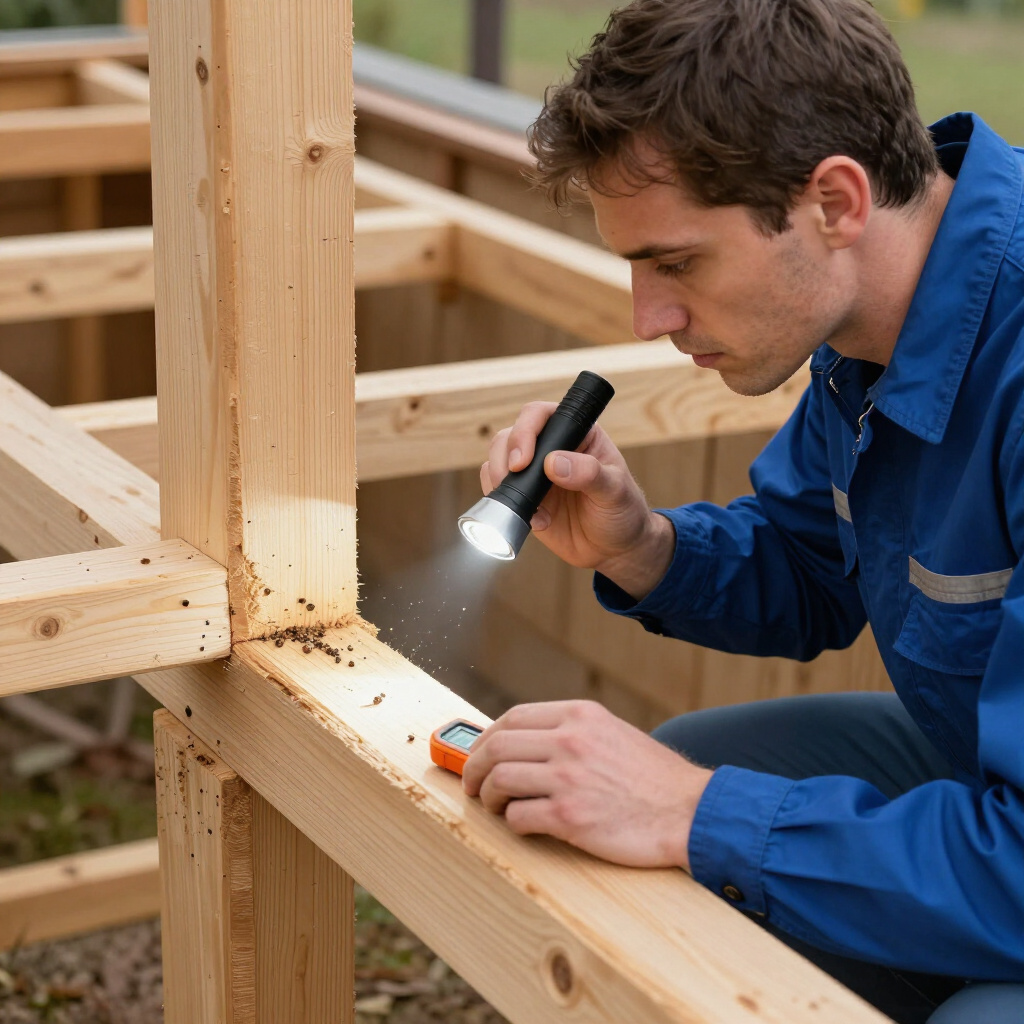
Termites rank among the most destructive threats to Columbus properties. Georgia's warm, moist climate allows subterranean termite colonies to thrive year-round, with peak swarming activity in spring. The Formosan termite, an especially aggressive species, has established itself throughout the Chattahoochee Valley and can cause structural damage far faster than native species.
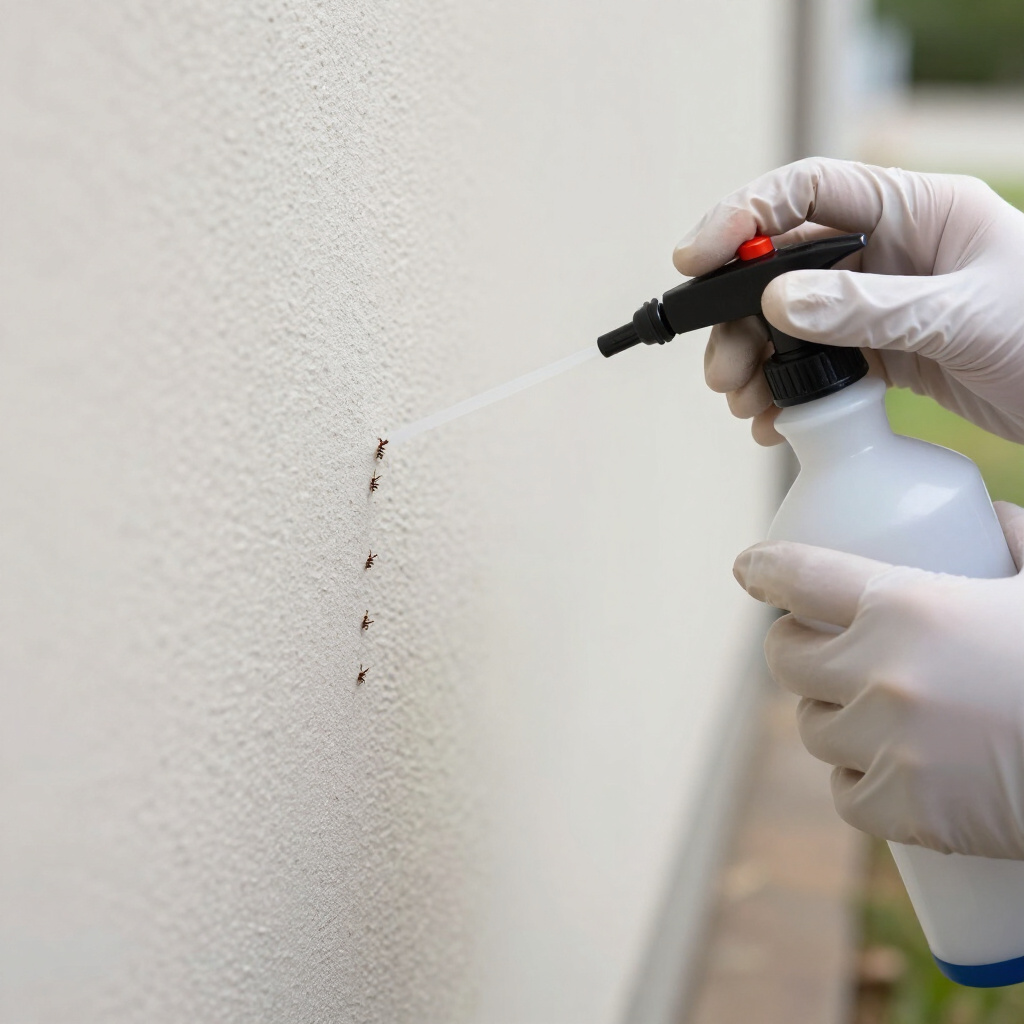
Ant infestations disrupt daily life across Columbus neighborhoods. Fire ants build unsightly mounds in lawns and deliver painful stings, while Argentine ants and odorous house ants trail through kitchens seeking moisture and food. The proximity of homes to wooded areas along the Chattahoochee River corridor intensifies these problems.
Mosquitoes remain a seasonal nightmare from April through October. Standing water from summer thunderstorms, combined with the river and numerous creeks, creates ideal breeding habitat. Beyond the nuisance factor, mosquitoes in Muscogee County can transmit West Nile virus and Eastern equine encephalitis.
Rodent activity escalates as temperatures drop, with roof rats and Norway rats seeking shelter in attics, crawl spaces, and wall voids. Older homes in historic districts like Wynnton and MidTown are particularly vulnerable to entry through gaps in foundations and roofing.
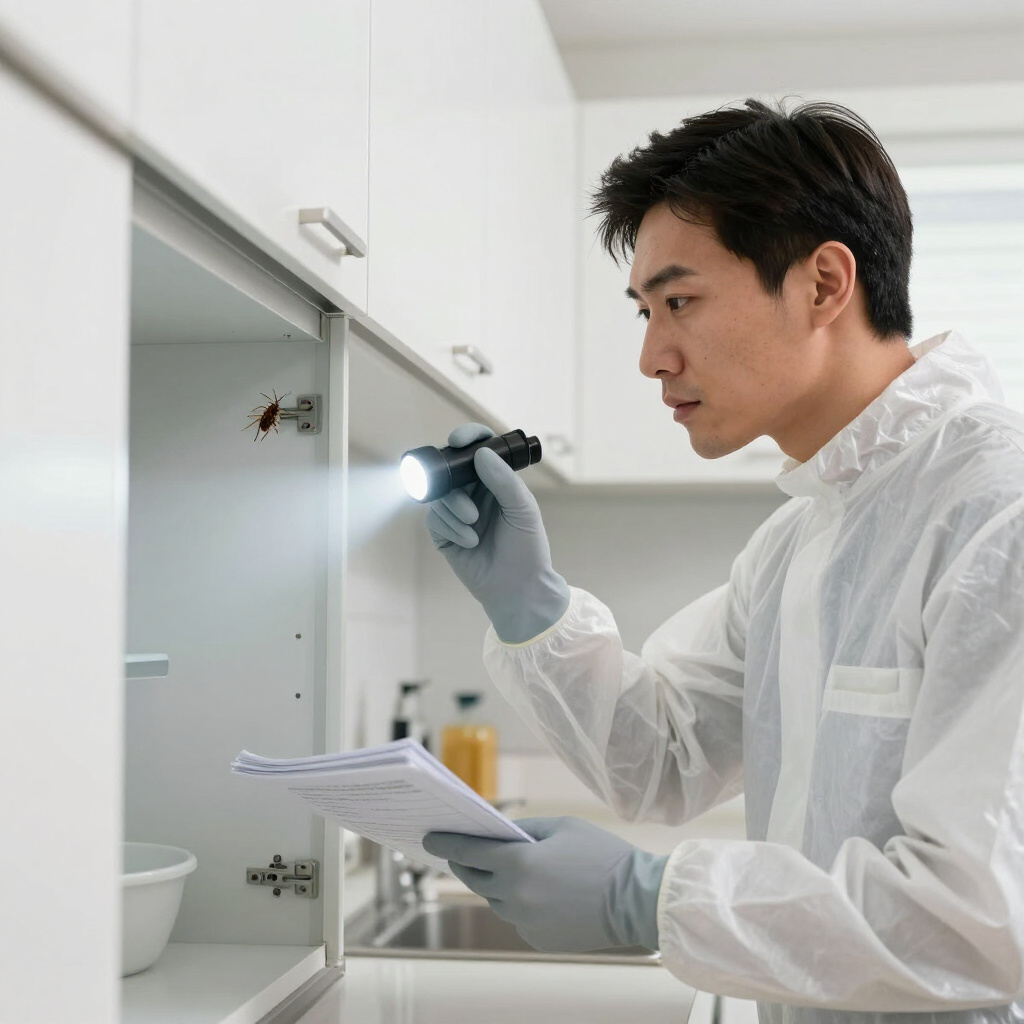
Cockroaches—including American, German, and smokybrown varieties—proliferate in Columbus's humid environment. German cockroaches especially challenge apartment dwellers and restaurant-adjacent residences, spreading allergens and bacteria.
How We Help Columbus Homeowners
Our approach begins with understanding the specific conditions around your property. We inspect for moisture intrusion points, structural vulnerabilities, and environmental factors that attract pests to your Muscogee County home.
We implement integrated pest management (IPM) strategies that reduce reliance on chemical treatments alone. This means addressing harborage areas, sealing entry points, and modifying conditions that support pest populations. For termite protection, we utilize both liquid barrier treatments and baiting systems, selecting the method best suited to your home's construction and soil conditions.
Our technicians are familiar with Columbus's neighborhood-specific challenges—from the mature tree canopy in Green Island Hills that facilitates squirrel and raccoon access, to the newer developments in North Columbus where construction-disturbed soil has displaced ant colonies toward foundations.
We provide ongoing monitoring and seasonal adjustments, recognizing that pest pressures shift throughout Georgia's long growing season. When mosquito populations surge after heavy rains, we adapt treatment timing and target breeding sites more aggressively.
Pest Control Services Available in Columbus
- Termite Control & Prevention — Inspections, liquid treatments, bait systems, and damage warranties
- Ant Management — Fire ant suppression, indoor ant elimination, perimeter protection
- Mosquito Reduction Programs — Monthly treatments during active season, breeding site identification
- Rodent Exclusion & Control — Trapping, entry point sealing, attic and crawl space remediation
- Cockroach Elimination — Targeted treatments for German, American, and smokybrown cockroaches
- Stinging Insect Control — Wasp, hornet, and yellowjacket nest removal
- Spider Management — Reduction of venomous and nuisance species
- Wildlife Control — Humane removal of squirrels, raccoons, and opossums
- Commercial Pest Management — Customized programs for restaurants, healthcare, and retail
Pest Control Pricing in the Columbus Area
Pest control costs in Columbus vary based on property size, infestation severity, and service frequency. Most homeowners should expect the following general ranges:
| Service Type | Typical Investment |
|---|---|
| General pest control (quarterly) | $85–$125 per visit |
| Initial treatment with setup | $150–$300 |
| Termite preventive treatment | $800–$2,500 |
| Termite bait system installation | $1,200–$3,000 |
| Mosquito season package (monthly, Apr–Oct) | $65–$95 per treatment |
| Rodent control program | $250–$600 initial; follow-ups vary |
| One-time wasp nest removal | $125–$250 |
Annual termite renewal warranties typically range from $200–$400. We recommend obtaining an on-site evaluation for accurate pricing, as crawl space accessibility, home age, and landscaping density all influence treatment complexity in Muscogee County.
Frequently Asked Questions About Pest Control in Columbus
When is termite season in Columbus, Georgia?
Subterranean termites swarm primarily from February through May in the Columbus area, though warm winters can trigger earlier activity. However, termites feed year-round and cause damage regardless of whether you see swarmers. Annual inspections remain essential even outside swarming season.
How often should Columbus homes receive pest control treatments?
Most Muscogee County residences benefit from quarterly general pest control due to Georgia's extended warm season. Homes with historic moisture issues, heavy tree coverage, or previous infestations may require monthly service during peak pest months (April–October).
Are mosquito treatments safe for pets and children?
Professional mosquito applications use EPA-registered products applied to vegetation and harborage areas, not open surfaces. We advise keeping pets and children inside during treatment and for approximately 30 minutes afterward, until products have dried. We can discuss organic and botanical options for families with specific sensitivity concerns.
Why do I see more pests after it rains in Columbus?
Heavy rainfall drives ants, cockroaches, and rodents from saturated soil and flooded nesting sites into dry structures. Rain also creates temporary standing water that accelerates mosquito breeding. Post-storm pest activity typically spikes 24–72 hours after significant precipitation events in the Chattahoochee Valley.