

Pest Control Services in Cartersville, GA
Cartersville sits at the foothills of the Appalachian Mountains in Bartow County, where the Etowah River and nearby Lake Allatoona create a humid subtropical environment that pests find irresistible. From historic homes near the downtown district to newer developments along Highway 75, residents throughout Cartersville face unique pest pressures that demand localized expertise and year-round protection strategies.
The combination of dense woodlands, agricultural surroundings, and Georgia's extended warm season means Cartersville homeowners encounter everything from subterranean termites and carpenter ants to mosquitoes, ticks, and seasonal rodent invasions. Professional pest management in this region requires understanding how Bartow County's geography influences pest behavior and migration patterns.
Whether you're protecting a century-old property in the historic district or maintaining a family home in one of Cartersville's growing subdivisions, effective pest control here means addressing both immediate infestations and implementing preventive measures tailored to north Georgia's specific climate challenges.
Pest Challenges Specific to Cartersville
Termites and Wood-Destroying Organisms
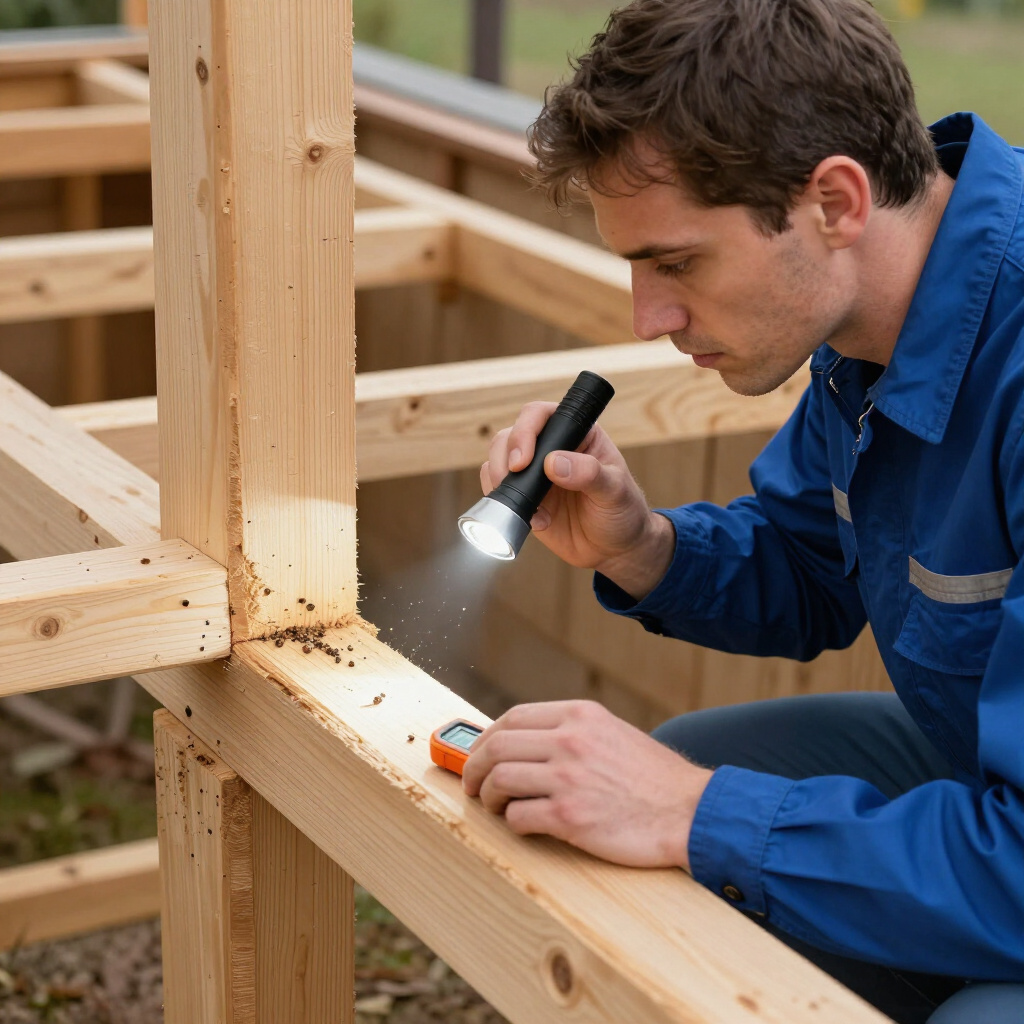
Bartow County's moisture-rich soil and abundant timber make it prime territory for subterranean termites, particularly the Eastern subterranean and Formosan species. Cartersville's older neighborhoods with original wooden structures face elevated risks, though even newer construction with slab foundations isn't immune. Annual termite inspections and soil treatment barriers remain essential investments for property protection.
Seasonal Mosquito and Tick Pressures
Proximity to Lake Allatoona, the Etowah River corridor, and numerous creeks creates substantial mosquito breeding habitat throughout Cartersville. The area also supports significant tick populations, including blacklegged ticks capable of transmitting Lyme disease. Properties backing up to wooded areas or with standing water features require integrated mosquito and tick management programs during spring through fall.
Stinging Insects and Nuisance Wildlife
Yellow jackets, paper wasps, and hornets thrive in Cartersville's mix of open spaces and residential development. Meanwhile, raccoons, squirrels, and occasional snake encounters increase as wildlife habitat intersects with expanding neighborhoods. Professional removal and exclusion services address these situations safely and humanely under Georgia wildlife regulations.
Frequently Asked Questions About Pest Control in Cartersville
What pests are most active in Cartersville during summer months?
Mosquitoes, fire ants, and spiders peak during Cartersville's hot, humid summers, while cockroach activity increases in both indoor and outdoor spaces. Subterranean termites also swarm in late spring through early summer, often after rainfall events. Professional monitoring during these months catches infestations before they establish significant colonies.
How does Lake Allatoona affect pest problems in Cartersville?
The lake and associated wetlands create substantial mosquito breeding habitat, particularly for floodwater mosquito species. Properties within a few miles of the lake or connected creek systems often experience higher mosquito pressure than inland locations. The lake environment also supports diverse wildlife that occasionally creates nuisance situations for nearby homeowners.
Are termite bonds required when buying a home in Bartow County?
While Georgia law doesn't mandate termite bonds for property transfers, most mortgage lenders and real estate transactions in Bartow County require a current termite inspection letter (officially a Wood Infestation Report). Active termite protection through a transferable bond adds property value and satisfies typical closing requirements for Cartersville home sales.
What should I do if I find a snake on my Cartersville property?
North Georgia hosts both harmless and venomous snake species, including copperheads and timber rattlesnakes in wooded areas. Never attempt to handle or kill snakes yourself. Professional wildlife removal services can safely identify and relocate snakes when necessary, then recommend habitat modifications—such as removing rock piles, controlling rodent populations, and trimming vegetation—to reduce future encounters.