

Termites are one of the most destructive and expensive pests a homeowner can face, yet they often go completely unnoticed until significant damage has already occurred. These silent invaders work around the clock, hidden inside walls, foundations, and wooden structures, consuming cellulose-based materials with relentless efficiency. The key to protecting your home and avoiding costly repairs is catching an infestation early. Knowing the warning signs can make all the difference between a manageable treatment and a major structural nightmare.
Signs You May Have Termites: What to Watch For
Termite activity isn't always obvious, but there are several telltale indicators that these pests have made themselves at home on your property. Learning to recognize these signs early can save you thousands of dollars in repair costs and preserve the integrity of your home.
One of the most common and visible signs is the presence of discarded wings. Swarming termites, also known as alates, emerge from mature colonies to mate and establish new colonies. After their brief flight, they shed their wings, often leaving small piles near windowsills, doorways, or other entry points. These wings are typically all the same size and may resemble fish scales in appearance.
Mud tubes are another major red flag. Subterranean termites build these pencil-thin tunnels from soil, wood particles, and saliva to travel between their underground nest and their food source. You'll often find mud tubes along foundation walls, crawl spaces, basements, or exterior surfaces. Breaking open a mud tube and finding live, creamy-white insects inside confirms active termite presence.
Damaged or hollow-sounding wood is a more advanced indicator of infestation. Termites consume wood from the inside out, leaving a thin veneer of paint or wood intact on the surface. If you tap on baseboards, window frames, or structural beams and hear a hollow sound, or if you notice blistering or darkening of wood surfaces, termites may be hard at work beneath.
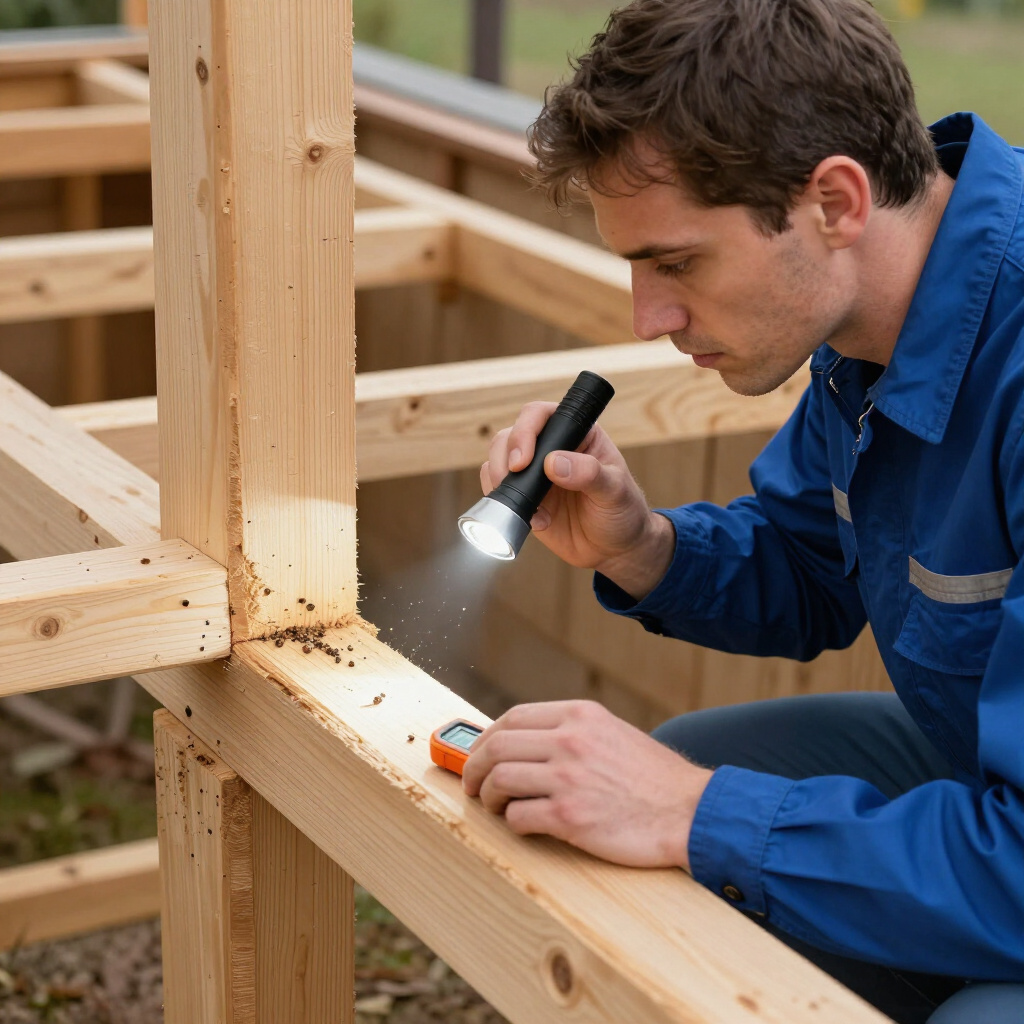
Fecal pellets, known as frass, are a distinctive sign of drywood termites. These tiny, wood-colored droppings accumulate in small mounds near infested areas, often looking like fine sawdust or coffee grounds. Unlike subterranean termites, drywood species don't use mud tubes and push their waste out of small kick holes in the wood they're consuming.
Other subtle signs include sagging floors, doors and windows that suddenly become difficult to open or close, and bubbling or peeling paint that resembles water damage. These changes occur because termite activity introduces moisture into wooden structures, causing warping and distortion over time.
Where Termites Hide and How They Spread
Understanding termite behavior helps you know where to look for signs of activity. Subterranean termites require contact with soil to survive, so they typically enter homes through cracks in the foundation, gaps around plumbing penetrations, or by building mud tubes up exterior walls. They prefer soft, damp wood and are often found in crawl spaces, basements, and areas with poor drainage or moisture problems.
Drywood termites, on the other hand, can infest any wooden structure without soil contact. They often enter through attic vents, under eaves, or in exposed wood ends. These termites establish colonies directly inside the wood they're eating, making them harder to detect until damage becomes visible.
Termite swarms typically occur in spring when temperatures rise and after rainfall. If you notice a sudden swarm of winged insects inside or around your home, it's a strong indication that a mature colony is nearby—or already inside your structure. Even if you only see a few swarmers, the colony producing them could contain hundreds of thousands of workers actively feeding on your property.
Signs You May Have Termites: Key Tips for Homeowners
Regular inspection is your best defense against termite damage. At least once a year, thoroughly examine your home's foundation, crawl spaces, attic, and any wooden structures for the warning signs described above. Pay special attention after periods of heavy rain or during warm spring days when swarming activity peaks.
Reduce moisture around your home's perimeter by ensuring proper drainage, cleaning gutters regularly, and directing downspouts away from the foundation. Termites are attracted to damp wood, so repairing leaky faucets, pipes, and air conditioning units promptly removes favorable conditions.
Keep firewood, lumber, and other cellulose materials stored away from your home's exterior and elevated off the ground. Wood-to-soil contact creates a direct highway for subterranean termites to access your structure. Maintain adequate ventilation in crawl spaces and attics to keep humidity levels low.
Consider professional termite inspections, especially if your home has never been treated or if neighboring properties have experienced infestations. Pest control professionals have the training, tools, and experience to detect early signs that homeowners might miss, including thermal imaging to identify moisture patterns and acoustic equipment to hear termite activity inside walls.
If you discover any signs of termite activity, avoid disturbing the area more than necessary. While it may be tempting to tear open damaged wood or knock down mud tubes, this can cause termites to retreat deeper into your structure and spread to new areas, making treatment more difficult. Instead, contact a licensed pest control professional who can properly identify the species, assess the extent of infestation, and recommend an appropriate treatment strategy.
Final Thoughts
Termites cause billions of dollars in property damage annually, and unfortunately, most homeowner insurance policies do not cover this type of destruction. The good news is that termite damage is largely preventable with vigilance and prompt action. By learning to recognize the signs you may have termites and maintaining a proactive approach to home maintenance, you can protect your investment and avoid the stress of major repairs. When in doubt, consulting with a qualified pest control professional provides peace of mind and ensures that any infestation is addressed thoroughly before it compromises your home's safety and value.