
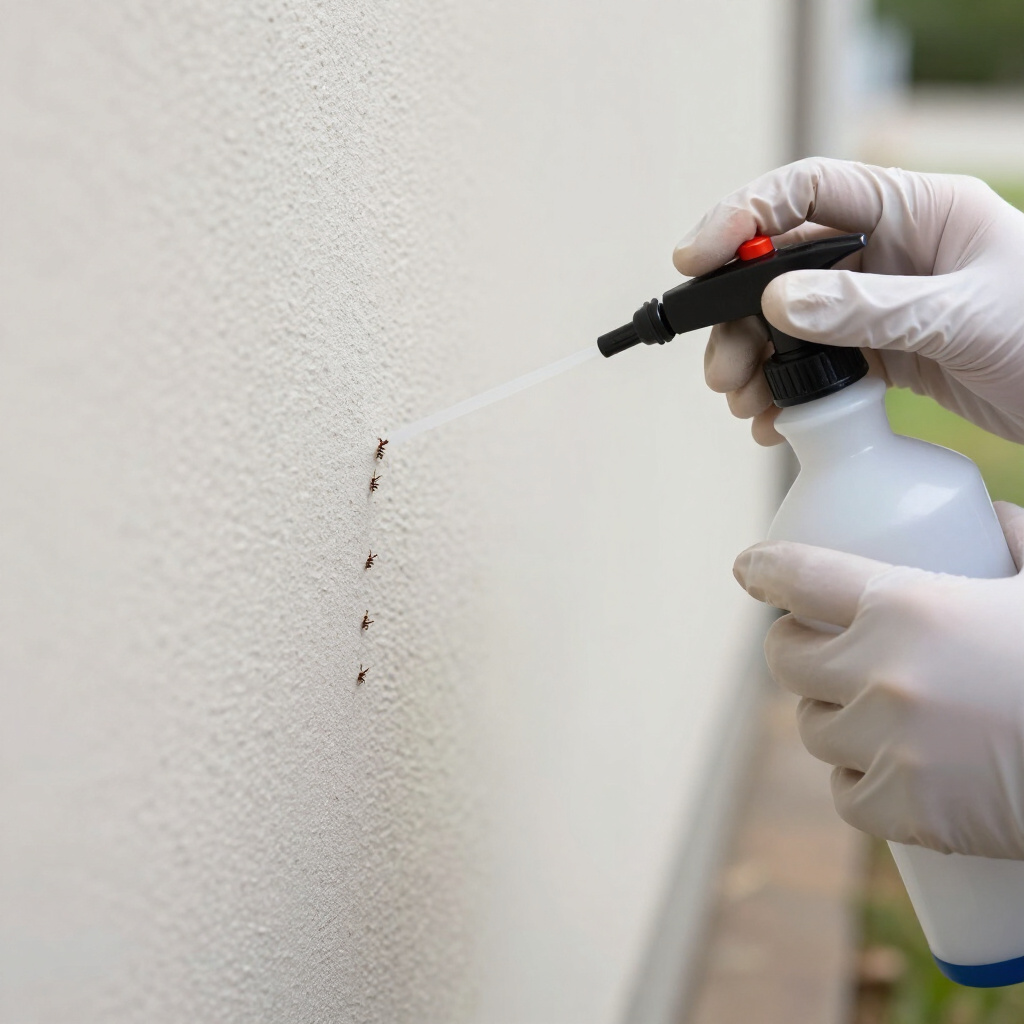


Pests don't take a vacation—and neither should your home protection strategy. From spring's awakening ants to winter's shelter-seeking rodents, every season brings its own pest challenges that can catch homeowners off guard. Whether you're a new homeowner building your first maintenance routine or a seasoned property owner looking to tighten your defenses, having a year-round plan saves stress, money, and those unwelcome midnight surprises in your kitchen. This seasonal pest control checklist will walk you through exactly what to do and when, so your home stays protected no matter what the calendar says.
Your Seasonal Pest Control Checklist by Season
Breaking pest prevention into seasonal tasks makes the work manageable and ensures you're always one step ahead of active infestations. Pests follow predictable patterns based on temperature, moisture, and breeding cycles—patterns you can use to your advantage.
Spring: Inspect and Seal
As temperatures rise, ants, termites, wasps, and spiders become active and start seeking food and nesting sites. Walk your home's exterior and seal cracks around windows, doors, and utility penetrations with silicone caulk. Replace damaged weatherstripping and repair torn screens. Clear winter debris from gutters and downspouts to eliminate standing water where mosquitoes breed. Trim shrubs and tree branches away from your roofline and walls to cut off highway access for crawling insects. If you had moisture issues over winter, address them now—damp wood attracts carpenter ants and termites when they begin swarming.
Summer: Monitor and Maintain
Peak pest activity demands vigilance. Keep your seasonal pest control checklist focused on moisture management and food elimination. Empty standing water from flower pot saucers, bird baths, and kiddie pools weekly. Store garbage in sealed containers and clean grills after each use to avoid attracting yellow jackets and flies. Check attic and crawl space vents for damage—these entry points become critical when wasps and hornets seek nesting locations. Inside, wipe counters nightly, fix dripping faucets, and store pantry goods in airtight containers. If you notice ant trails, follow them to find entry points rather than just killing visible workers.
Fall: Exclude and Prepare
Cooling temperatures trigger pest migration indoors. Rodents, box elder bugs, stink bugs, and cluster flies all seek winter harborages. This is your most important season for exclusion work. Install door sweeps on garage and basement doors. Cover vents with quarter-inch hardware cloth. Seal gaps where utilities enter your home—mice squeeze through openings as small as a dime. Rake leaves promptly and store firewood at least twenty feet from your foundation. Inside, declutter storage areas where rodents could nest, and inspect your attic for signs of bats or squirrels seeking winter shelter.
Winter: Inspect and Protect
While outdoor pest pressure drops, overwintering pests inside your home may become noticeable on warm days when they stir. Continue your seasonal pest control checklist by monitoring for rodent activity—droppings, gnaw marks, or scratching sounds in walls. Check stored holiday decorations for signs of fabric pests like silverfish or carpet beetles before bringing them indoors. Maintain your home's dry conditions; heated indoor air with adequate humidity control discourages pests. This quiet season is also ideal for scheduling a professional termite inspection or treating for subterranean termites in warmer climates where they remain active year-round.
Year-Round Habits That Strengthen Your Defense
Beyond seasonal tasks, certain consistent practices multiply your protection. Store all food, including pet food, in sealed containers rather than original packaging. Maintain a clean kitchen with prompt crumb and spill cleanup. Manage your landscape with pests in mind—mulch no deeper than two inches, keep grass trimmed, and position compost bins well away from structures. Fix leaks promptly and ensure your home grades away from the foundation to keep crawl spaces and basements dry.
Documentation matters more than most homeowners realize. Keep a simple log of pest sightings, seasonal maintenance dates, and any professional service visits. This record helps identify patterns—perhaps you always see ants in March near the kitchen window, signaling a specific entry point you've missed. It also provides valuable information if you ever need targeted treatment rather than broad pesticide application.
Key Tips
Knowing when to handle problems yourself and when to call a professional protects both your home and your wallet. DIY methods work well for single ant trails, occasional spiders, or preventive sealing. However, contact a licensed pest control professional if you spot termite swarmers or mud tubes, hear persistent rodent activity in walls, notice multiple wasp nests near entryways, or experience recurring infestations despite your efforts. Professionals bring identification expertise, specialized tools, and treatment options not available to homeowners.
When selecting a pest control provider, ask about integrated pest management approaches that emphasize inspection, exclusion, and targeted treatment over routine perimeter spraying. Verify licensing through your state regulatory agency and request a written treatment plan with clear expectations. The best partnerships educate you while solving immediate problems.
Finally, avoid common mistakes that undermine even diligent homeowners. Don't ignore early warning signs—a few ants today signal a colony expanding nearby. Never store pesticides from one season to the next; products degrade and labels change. And resist the urge to tackle every problem with chemical sprays first—physical exclusion and environmental modification often solve issues more permanently with less risk to your family and pets.
Final Thoughts
A proactive approach to home pest management transforms overwhelming infestations into minor, preventable incidents. By following this seasonal pest control checklist, you'll address vulnerabilities before they become entry points and catch emerging problems while they're still small. The time you invest each season pays dividends in protected property value, reduced treatment costs, and the simple comfort of knowing your home truly belongs to your family alone. Start with this season's tasks today—your future self will thank you when the pests come knocking and find no way inside.