

You don't need harsh chemicals to keep pests out of your home. Whether you're worried about children and pets, concerned about environmental impact, or simply prefer a gentler approach, natural pest control methods can be remarkably effective when applied correctly. The key is understanding which solutions work for specific pests and using them strategically rather than hoping for a one-size-fits-all miracle. Let's explore proven natural pest control methods that deliver real results without compromising your family's safety.
Natural Pest Control Starts with Prevention
The most powerful natural pest control method isn't a product—it's prevention. Pests enter homes seeking food, water, and shelter. Remove these attractants, and you'll solve most problems before they begin.
Store dry goods in airtight glass or metal containers. Even cardboard boxes and plastic bags won't stop determined pantry pests like flour beetles and Indian meal moths. Wipe countertops nightly, sweep floors regularly, and never leave pet food out overnight. Fix leaky faucets and ensure proper drainage around your foundation, as moisture draws everything from ants to cockroaches.
Seal entry points with caulk, steel wool, or copper mesh. Mice can squeeze through gaps as small as a dime, while insects exploit even smaller openings. Pay special attention to areas where utilities enter your home, gaps around windows and doors, and foundation cracks. Weatherstripping and door sweeps complete your defensive perimeter.
Landscaping matters too. Keep mulch, firewood, and dense vegetation at least eighteen inches from your foundation. Trim tree branches away from rooflines to eliminate highway access for rodents and squirrels. Proper drainage prevents standing water that breeds mosquitoes.
Targeted Natural Remedies for Common Pests
When prevention isn't enough, specific natural treatments can address active infestations effectively.
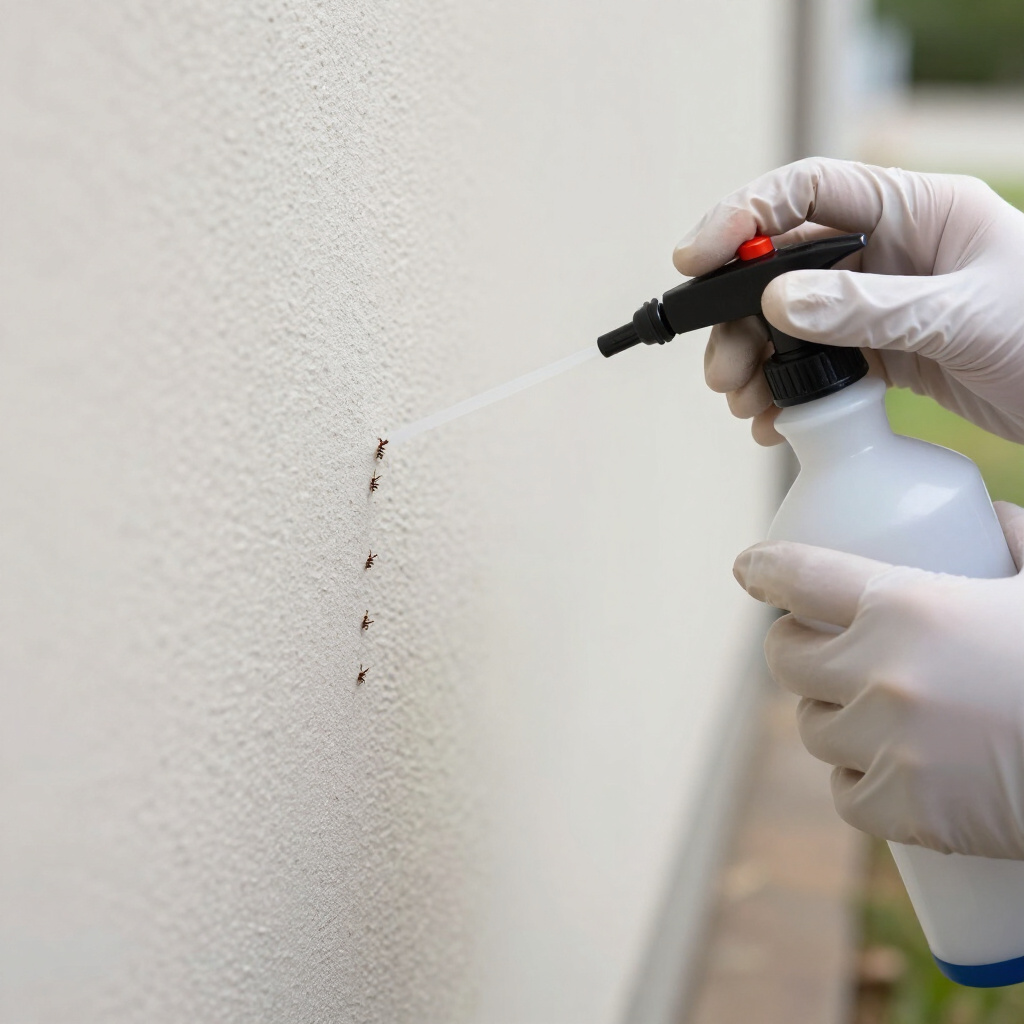
Ants: Diatomaceous earth (food-grade) damages the waxy coating on ants' exoskeletons, causing dehydration. Apply thin lines along baseboards, entry points, and ant trails. Borax mixed with sugar water creates an effective bait that workers carry back to the colony. Place mixtures in small containers with holes near ant activity, well away from children and pets.
Cockroaches: Food-grade diatomaceous earth works against roaches when applied to cracks and crevices. Bait stations using equal parts boric acid, flour, and sugar attract and eliminate these persistent pests. Catnip contains nepetalactone, which repels cockroaches—place sachets in cabinets and pantry areas.
Mosquitoes: Eliminate standing water weekly, including gutters, birdbaths, and plant saucers. For outdoor protection, plant citronella, lemon balm, and marigolds near seating areas. A simple fan on your porch disrupts their weak flying ability. For personal repellent, oil of lemon eucalyptus (OLE) provides protection comparable to low-concentration DEET products.
Spiders: Essential oils of peppermint, tea tree, and eucalyptus deter spiders when diluted and sprayed along baseboards and corners. Vinegar solutions work similarly. Most importantly, reduce their prey—other insects—through the methods above, and spiders will seek hunting grounds elsewhere.
Pantry pests: Freezing suspect grains for seventy-two hours kills eggs and larvae. Bay leaves in containers repel weevils and moths. Pheromone traps specifically designed for Indian meal moths intercept breeding adults before they reproduce.
Fleas: Food-grade diatomaceous earth applied to carpets and pet bedding, left for several hours, then thoroughly vacuumed, reduces populations significantly. Regular vacuuming removes eggs and larvae while stimulating remaining pupae to hatch for subsequent treatment. Nematodes applied to lawns target flea larvae in outdoor environments.
Key Tips for Success with Natural Methods
Natural pest control methods require patience and persistence. Unlike synthetic pesticides that may kill on contact but leave no residual protection, many natural approaches work through different mechanisms that take time but provide lasting results.
Apply diatomaceous earth in thin, visible layers—thick piles actually reduce effectiveness as insects simply walk around. Reapply after rain or if the dust becomes damp, as moisture deactivates it. Always choose food-grade diatomaceous earth for indoor use; pool-grade contains crystalline silica that poses respiratory hazards.
Use boric acid and borax baits strategically. Place them where you've observed activity but away from food preparation surfaces and out of reach of children and pets. These substances are natural but not harmless—respect their potency.
Essential oil sprays require more frequent reapplication than synthetic alternatives, typically every few days. Test surfaces first, as oils can damage certain finishes. Never apply undiluted essential oils directly to skin or surfaces.
Combine methods for best results. A comprehensive approach integrating prevention, physical barriers, biological controls, and targeted natural treatments consistently outperforms any single tactic. Document what you observe—which entry points show activity, which bait locations see traffic—to refine your strategy.
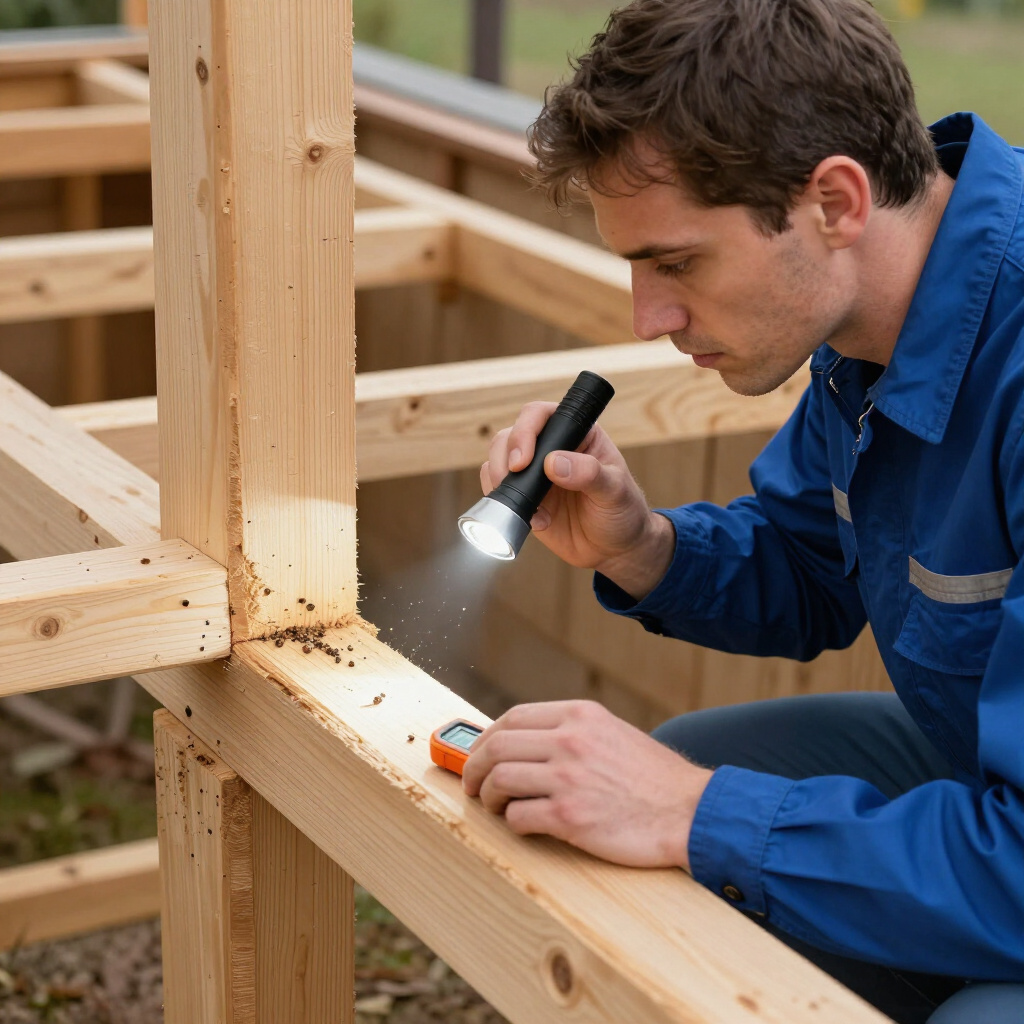
Know when professional help becomes necessary. Natural methods excel for prevention and moderate infestations, but established populations of termites, bed bugs, or extensive rodent colonies may require professional intervention. Reputable pest control companies increasingly offer integrated pest management approaches that minimize chemical use while achieving effective control.
Final Thoughts
Natural pest control methods that actually work are founded on understanding pest biology and behavior, not on wishful thinking. Prevention through sanitation and exclusion remains your strongest tool. When treatment becomes necessary, targeted applications of diatomaceous earth, botanical repellents, and biological controls provide effective, family-safe alternatives to conventional pesticides.
The investment in natural approaches pays dividends beyond immediate pest elimination. You'll reduce chemical exposure in your living environment, protect beneficial insects in your garden, and develop sustainable practices that prevent future problems. Start with prevention, respond promptly to early signs of pest activity, and maintain consistency in your efforts. Your home can remain comfortable and pest-free through methods that work with nature rather than against it.