
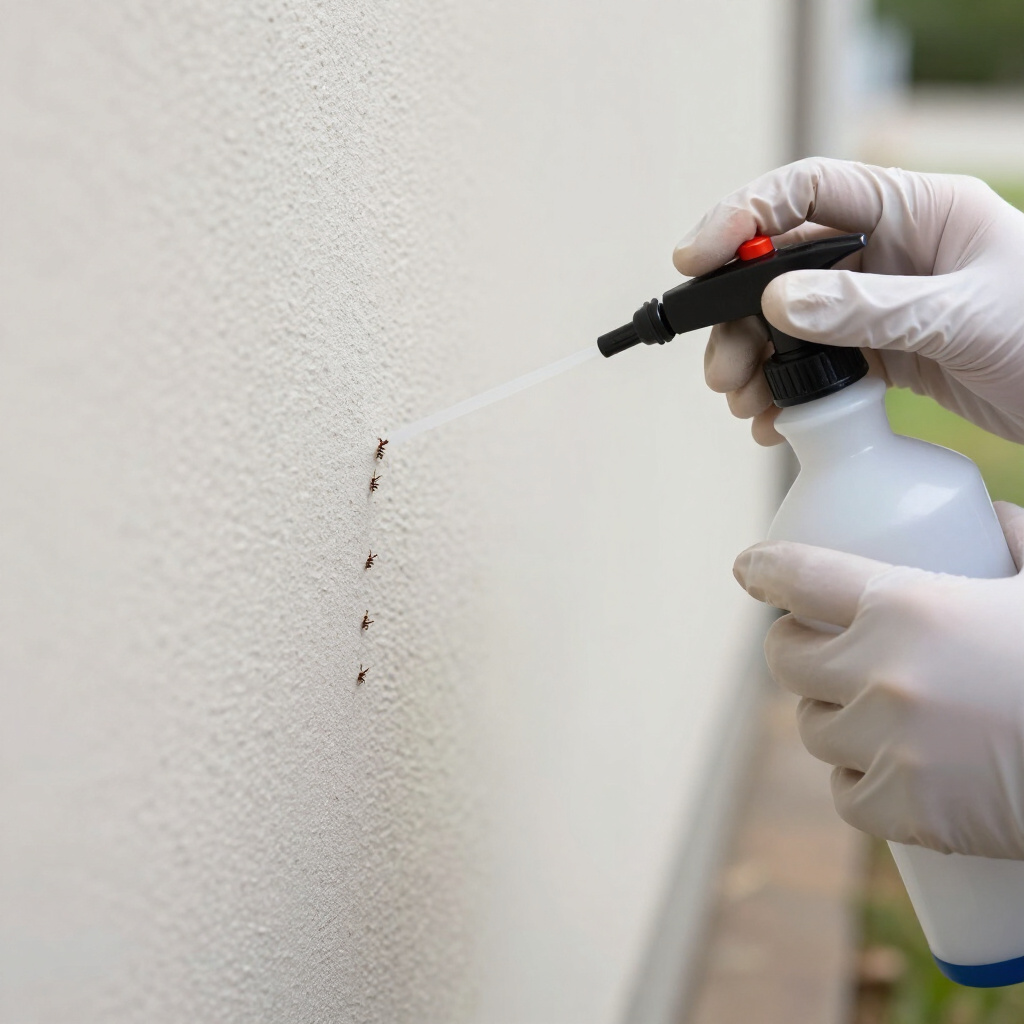


Few things disrupt the comfort of home quite like discovering unwanted guests have moved in—especially the kind with six legs, antennae, or a tendency to scurry across your kitchen floor at midnight. Whether you live in a historic brownstone, a suburban ranch, or a sleek downtown apartment, household pests don't discriminate. The good news? Most infestations are entirely preventable with the right knowledge and consistent habits. Let's walk through the most common culprits and the practical steps you can take to keep them outside where they belong.
Most Common Household Pests and How to Prevent Them
Understanding your enemy is half the battle. Here's what you're most likely to encounter and why each one poses a unique challenge.
Ants top the list nearly everywhere. These persistent foragers send scout workers to investigate any promising food source, then lay down pheromone trails that bring hundreds of followers. Kitchens, pantries, and anywhere crumbs accumulate become highways for activity. Sugar ants, carpenter ants, and odorous house ants each have slightly different preferences, but all share that relentless drive to colonize accessible spaces.
Cockroaches represent perhaps the most unsettling household invader. These nocturnal survivors thrive in warm, humid environments with access to food and water. German cockroaches prefer kitchens and bathrooms, while American cockroaches—often called water bugs—frequently enter through drains and sewer connections. Their ability to reproduce rapidly means a small sighting often signals a much larger hidden population.
Spiders generate mixed reactions. While most common house spiders are harmless and even beneficial predators, their presence indicates other insects are available for hunting. Brown recluse and black widow spiders warrant genuine caution, particularly in basements, garages, and undisturbed storage areas.
Termites work silently and destructively, consuming cellulose in wood structures year-round. Subterranean termites build mud tubes to access above-ground food sources, while drywood termites can establish colonies entirely within wooden furniture or framing. By the time visible damage appears, extensive destruction may already exist.
Rodents—mice and rats—seek shelter, food, and nesting materials, particularly as seasons change. Their gnawing behavior damages wiring, insulation, and structural elements, while their droppings and urine create genuine health hazards. A single mouse can squeeze through an opening the width of a pencil.
Bed bugs have resurged dramatically, hitchhiking on luggage, furniture, and clothing. These nocturnal blood-feeders hide in mattress seams, box springs, headboard crevices, and nearby furniture. Their bites cause varying reactions, and their remarkable resilience makes professional intervention frequently necessary.
Fleas and ticks enter homes primarily through pets but can establish independent populations. Fleas reproduce in carpeting and upholstery, while ticks pose serious disease transmission risks to both humans and animals.
Prevention Strategies That Actually Work
Effective pest prevention operates on three principles: exclusion, sanitation, and moisture control. Master these, and you eliminate the conditions pests require to thrive.
Seal entry points meticulously. Inspect your home's exterior with fresh eyes. Caulk gaps around windows, doors, utility penetrations, and foundation cracks. Install door sweeps and repair damaged screens. Pay particular attention to where utilities enter—these overlooked passages serve as major thoroughfares for insects and rodents alike. For persistent rodent issues, steel wool combined with caulk creates an effective barrier they cannot gnaw through.
Maintain rigorous sanitation. Store food in airtight containers, not original packaging. Clean pet food bowls promptly and avoid leaving food out overnight. Empty garbage regularly and use bins with tight-fitting lids. Wipe countertops daily, sweep floors frequently, and clean beneath appliances where debris accumulates unseen. Even small neglects—a forgotten cereal box, sticky residue on a shelf—signal opportunity to foraging pests.
Control moisture diligently. Fix leaking faucets, pipes, and appliances immediately. Ensure bathrooms vent properly and run exhaust fans during showers. Address damp basements and crawl spaces with dehumidifiers or improved drainage. Direct gutters and downspouts away from foundations. Many pests, particularly cockroaches, silverfish, and termites, require moisture to survive; eliminating it transforms your home from hospitable to hostile.
Manage your landscape strategically. Trim vegetation away from exterior walls, eliminating bridges pests use to access structures. Keep firewood stacked well away from buildings and elevated off ground. Remove leaf litter, mulch buildup, and other organic debris near foundations. Ensure proper grading so water drains away from your home rather than pooling against it.
Inspect incoming items carefully. Bed bugs and certain stored product pests hitchhike extensively. Examine secondhand furniture, used mattresses, and even new clothing deliveries. When returning from travel, launder clothing on hot cycles and inspect luggage before storing it in living spaces.
Key Tips for Ongoing Protection
Prevention isn't a one-time project—it's an ongoing commitment woven into household routines.
Establish seasonal inspection habits. Spring and fall represent peak activity periods for many pests. Walk your property perimeter twice yearly, checking for new cracks, deteriorating seals, or changes in drainage patterns. Inside, inspect rarely-used spaces—guest room closets, storage areas, utility rooms—where early infestations often develop unnoticed.
Monitor proactively with glue boards or pheromone traps in strategic locations. These tools don't control populations alone but provide early warning of developing problems. Finding a single cockroach or several ants on a board prompts investigation before full infestations establish.
Partner with professional pest control for preventive treatments, particularly in regions with heavy termite pressure or recurring seasonal issues. Modern integrated pest management approaches minimize chemical use while providing genuine protection. Professionals access tools and formulations unavailable to consumers, and their trained eyes spot conditions homeowners routinely miss.
Educate all household members, including children, about prevention basics. Simple habits—closing containers, reporting leaks promptly, not leaving doors propped open—multiply effectiveness when everyone participates.
Final Thoughts
Most Common Household Pests and How to Prevent Them isn't merely about eliminating creepy-crawlies—it's about protecting your home's integrity, your family's wellbeing, and your peace of mind. The pests we've discussed share common requirements: access, food, water, and shelter. Systematically denying these fundamentals creates an environment where infestations struggle to establish regardless of what species attempts entry.
Consistency matters more than perfection. A thoroughly sealed home with occasional lapses in sanitation will fare better than the reverse. Start with the highest-impact improvements: sealing obvious entry points, addressing moisture issues, and establishing rigorous kitchen habits. Build from there, adding layers of protection as habits solidify.
Remember that early intervention saves significant trouble. A single ant trail addressed promptly prevents colony establishment. A moisture problem fixed immediately avoids termite attraction. When prevention measures prove insufficient, don't delay professional consultation—every day of hesitation allows populations to expand and treatment complexity to increase.
Your home should feel genuinely yours, shared only with those you welcome. With attentive prevention and prompt response to warning signs, it can remain exactly that.