
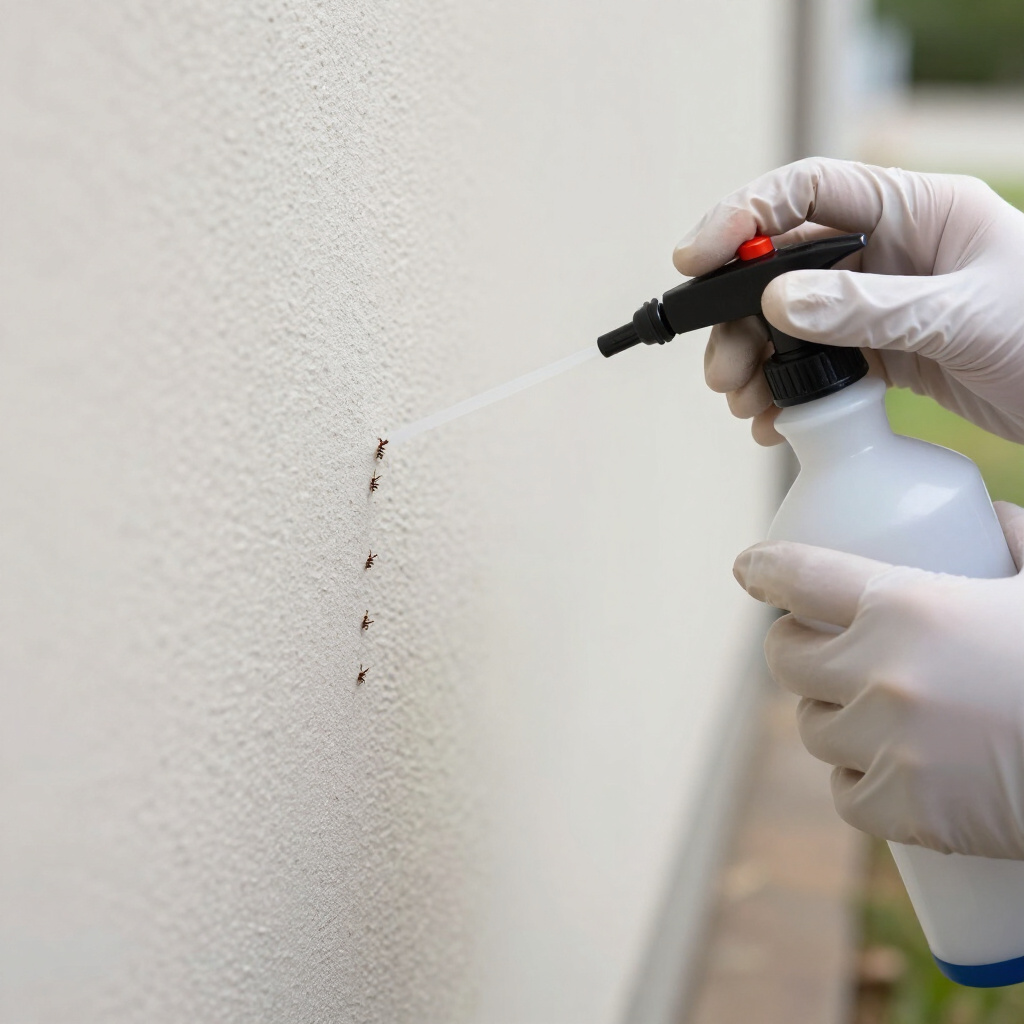


Few things are more frustrating than spotting a trail of ants marching across your kitchen counter. These tiny invaders seem to appear out of nowhere, and once they find a food source, they quickly tell their entire colony. The good news? With the right approach, you can keep ants outside where they belong and protect your home from becoming their next target.
How to Prevent Ants From Invading Your Home Starts With Understanding Their Behavior
Ants are relentless foragers driven by one primary mission: finding food and water to sustain their colony. Worker ants leave scent trails for others to follow, which explains why you often see them traveling in noticeable lines. These trails can lead from a tiny crack in your foundation, through walls, and straight to that forgotten crumb under your toaster.
Most ant species common to residential areas—including odorous house ants, pavement ants, and carpenter ants—follow predictable patterns. They prefer sweet, greasy, or protein-based foods and are particularly active during warmer months when natural food sources become scarce. Understanding this behavior is your first line of defense. When you know what attracts ants, you can systematically eliminate those attractions and disrupt their ability to establish routes into your living space.
Moisture plays an equally important role in ant activity. Leaky pipes, damp basements, and poorly ventilated bathrooms create ideal conditions that ants seek out. Carpenter ants especially favor moist wood for nesting, making water damage a double threat to your home's structural integrity.
Seal Entry Points Before Ants Find Them
Your home has dozens of potential entry points that ants exploit with surprising efficiency. These insects can squeeze through gaps as small as one millimeter, meaning even hairline cracks pose a significant risk. A thorough inspection of your home's exterior reveals more vulnerabilities than most homeowners expect.
Start by examining window frames and door thresholds, particularly in older homes where weatherstripping may have deteriorated. Caulk gaps around pipes, utility lines, and cable penetrations where they enter your walls. Pay special attention to foundation cracks, spaces around vents, and where siding meets masonry. Even the gap beneath your garage door can serve as a highway for foraging ants.
Indoor sealing matters too. Check where baseboards meet floors, around electrical outlets, and behind appliances where walls may have hidden openings. While you cannot make your home completely ant-proof, reducing accessible entry points dramatically decreases the likelihood of successful invasion. This proactive work takes time upfront but saves considerable frustration later.
Key Tips for Keeping Your Home Ant-Free
Maintaining an environment that repels ants requires consistent daily habits combined with strategic seasonal maintenance. These practical measures address the core factors that draw ants indoors in the first place.
Practice impeccable food storage. Store dry goods in airtight containers rather than original packaging. Even sealed bags of sugar, flour, and pet food emit attractive scents that ants detect from surprising distances. Clean your pantry shelves regularly to remove spilled grains and dust that accumulates in corners.
Clean strategically and thoroughly. Wipe kitchen counters after every meal preparation, paying attention to sticky spots around syrup bottles, honey jars, and fruit bowls. Sweep floors daily in food preparation areas. Do not overlook less obvious zones: the toaster crumb tray, under refrigerator coils, and around garbage disposal seals where organic matter collects.
Manage waste properly. Use garbage cans with tight-fitting lids and rinse recyclable containers before storage. Take kitchen trash outside frequently rather than letting it accumulate. Outdoor bins should sit away from your home's foundation when possible.
Address moisture problems promptly. Fix dripping faucets, running toilets, and leaking pipes immediately. Ensure gutters direct water away from your foundation. Use dehumidifiers in chronically damp spaces like crawlspaces and basements. Proper ventilation in bathrooms and kitchens prevents condensation that attracts thirsty ants.
Landscape with awareness. Trim tree branches and shrubs so they do not touch your home's exterior, eliminating natural bridges for ants. Keep mulch and dense vegetation at least twelve inches from your foundation. Consider using crushed stone barriers in particularly problematic areas. Firewood stacks belong well away from your house, as they frequently harbor ant colonies.
Deploy natural deterrents cautiously. Vinegar solutions can temporarily disrupt scent trails, though they require frequent reapplication. Diatomaceous earth works as a desiccant against crawling insects but must remain dry to function. Essential oils like peppermint and tea tree offer mild repellent properties but should complement rather than replace fundamental prevention methods.
When to Call Professional Help
Despite your best prevention efforts, some ant situations demand professional intervention. Recurring indoor trails, particularly from carpenter ants, suggest established nesting that DIY methods cannot reach. Multiple entry points or large-scale outdoor colonies near your foundation also warrant expert assessment. Pest control professionals identify species accurately, locate hidden nests, and apply targeted treatments that resolve infestations at their source rather than merely addressing visible symptoms.
Professionals also provide valuable guidance specific to your property's unique vulnerabilities. They spot structural issues, moisture patterns, and landscaping factors that homeowners typically miss. This expertise helps prevent future problems rather than reacting repeatedly to the same invasion cycle.
Final Thoughts
Learning how to prevent ants from invading your home empowers you to protect your space through informed, consistent action. The most effective approach combines understanding ant behavior, sealing physical access, eliminating attractants, and maintaining vigilant cleanliness. No single tactic guarantees complete protection, but layered strategies create an environment where ants simply choose easier targets elsewhere.
Prevention demands more effort than reacting after ants arrive, yet it saves money, preserves your peace of mind, and keeps your home genuinely comfortable. Start with one or two manageable changes today, then build your defensive system over time. Your future self will appreciate the absence of those unwelcome counter-top processions when warm weather returns.