

Finding a spider in your bathtub or spotting a web in the corner of your ceiling can send a shiver down anyone's spine. While most household spiders are harmless and even helpful at controlling other insects, that doesn't mean you want them setting up camp inside your home. The good news? Keeping spiders out of your house is entirely achievable with a few smart, consistent strategies. Whether you're dealing with occasional eight-legged visitors or a full-blown invasion, this guide will walk you through practical, proven methods to reclaim your space.
How to Keep Spiders Out of Your House by Sealing Entry Points
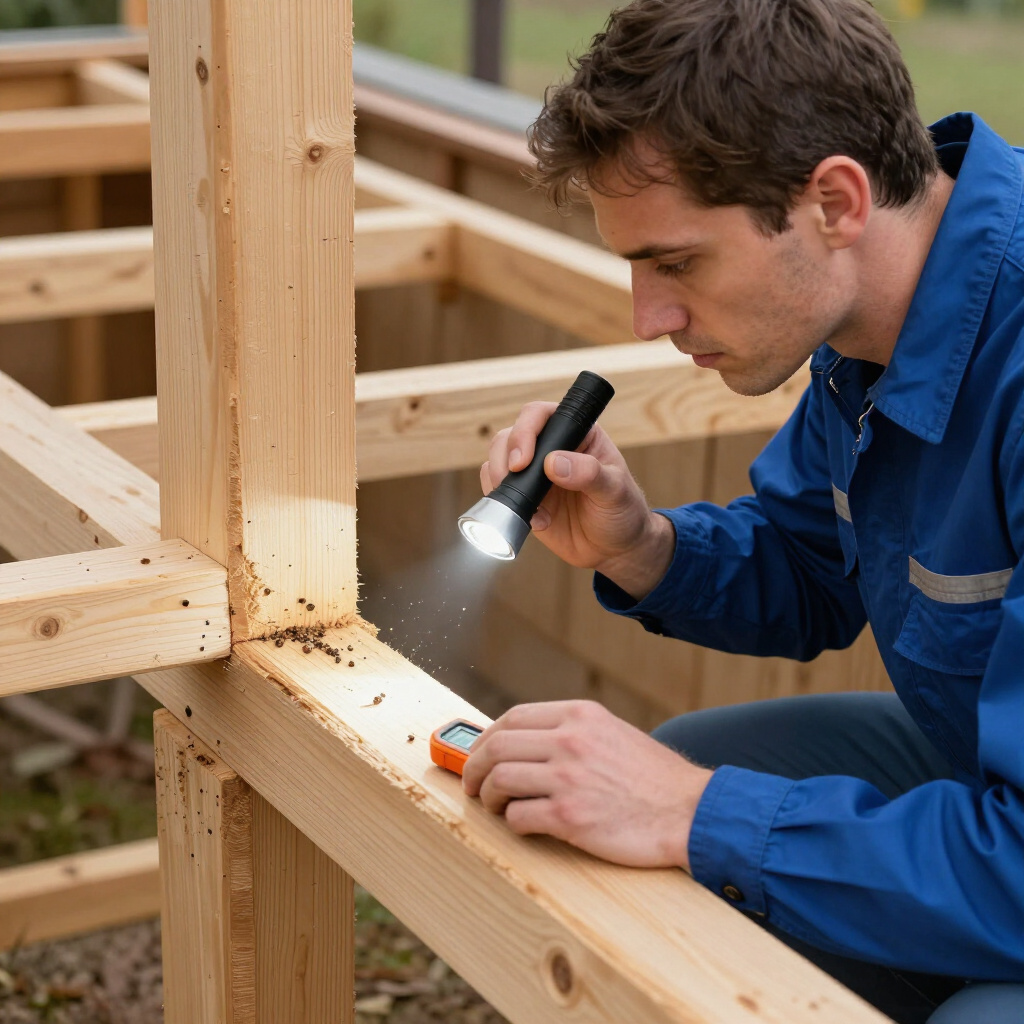
Spiders are remarkably skilled at squeezing through tiny gaps and cracks, which means your first line of defense is making their entry as difficult as possible. Start by conducting a thorough inspection of your home's exterior. Pay close attention to areas where utilities enter your house, gaps around windows and doors, and any cracks in your foundation.
Weather stripping is your best friend here. Replace worn or damaged strips around doors and windows, and don't forget to install door sweeps on exterior doors. These simple additions block the small gaps that spiders use to slip inside. For cracks and crevices in walls, foundations, or around pipes, use silicone caulk to create a solid seal. Steel wool can be stuffed into larger gaps before caulking for added protection.
Window screens deserve special attention too. Check for tears, loose frames, or gaps where the screen meets the window. Even a small hole is an open invitation. Repair or replace damaged screens promptly, and consider adding fine mesh screens if your current ones aren't doing the job.
Remove What Attracts Them: Food, Water, and Shelter
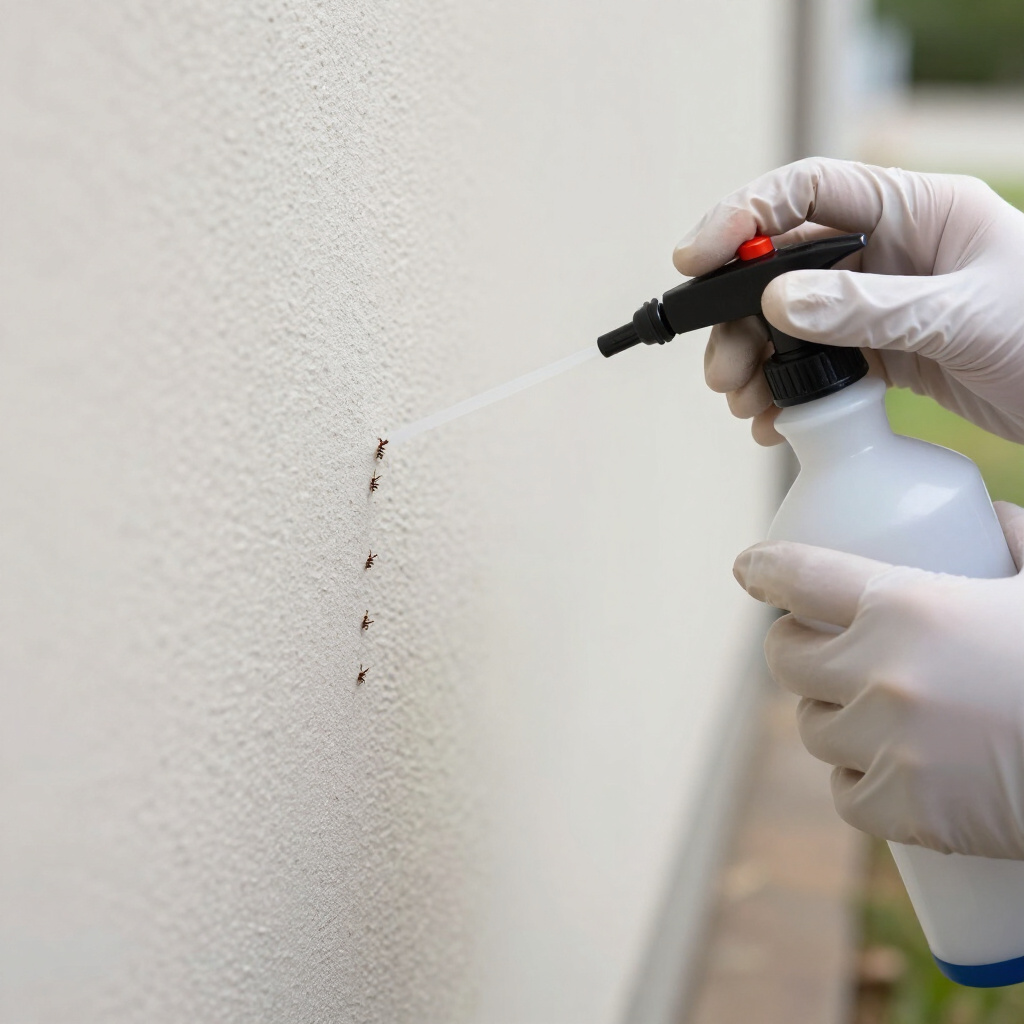
Spiders don't enter your home by accident—they're following resources. Understanding what draws them in helps you eliminate the incentives. The primary attraction is food, and for spiders, that means other insects. If you have ants, flies, mosquitoes, or moths indoors, spiders will happily stick around for the buffet.
Address your broader pest control to cut off the spider food supply. Keep kitchen counters clean, store food in sealed containers, fix leaky pipes that create water sources, and manage outdoor lighting that draws flying insects to your windows. A compost bin too close to the house or overripe fruit on the counter can indirectly invite spiders by supporting the insect populations they prey on.
Clutter also provides ideal spider habitat. Cardboard boxes, piles of newspapers, stored clothing, and crowded storage areas offer dark, undisturbed spaces where spiders can hide and build webs undisturbed. Regular decluttering, especially in basements, attics, garages, and closets, removes these sanctuary zones. Opt for plastic storage containers with tight lids instead of cardboard, and keep items elevated off the floor when possible.
Outdoor maintenance matters just as much. Trim shrubs, bushes, and tree branches so they don't touch your house—spiders use these as bridges directly to your walls and roof. Move firewood, rock piles, and compost bins at least twenty feet from your foundation. Keep your gutters clean; clogged gutters create moist environments that attract both spiders and their prey.
Key Tips for Ongoing Spider Prevention
Consistency is what separates spider-free homes from those that struggle with recurring problems. Incorporate these habits into your regular routine for lasting results.
Regular cleaning disrupts spider habitats before they become established. Vacuum corners, ceilings, behind furniture, and other overlooked spots weekly. Use a vacuum with a hose attachment to suck up webs, egg sacs, and any spiders you encounter. Immediately dispose of the vacuum bag or empty the canister outside to prevent escapees.
Reduce humidity throughout your home, particularly in basements, crawl spaces, and bathrooms. Spiders prefer moist environments, so running a dehumidifier, improving ventilation, and fixing leaks makes these spaces less appealing. Proper airflow matters too—stagnant, humid corners are prime real estate for web-building.
Consider natural deterrents as supplementary tools. Essential oils like peppermint, tea tree, eucalyptus, and lavender have repellent properties that many spiders dislike. Mix several drops with water in a spray bottle and apply to entry points, window sills, and baseboards. Vinegar solutions work similarly. Diatomaceous earth, a natural powder harmless to humans and pets, can be sprinkled in cracks and crevices where spiders travel. Just remember that these methods complement rather than replace the structural and cleaning measures that form your foundation.
For persistent or extensive spider problems, don't hesitate to contact a professional pest control service. They can identify specific spider species, locate hidden entry points you might miss, and apply targeted treatments that are safe for your family and pets. This is especially important if you suspect venomous species like black widows or brown recluses, which require careful, knowledgeable handling.
Final Thoughts
Living spider-free doesn't require harsh chemicals or constant vigilance—it takes a methodical approach to making your home unappealing and inaccessible to them. By sealing entry points, eliminating what attracts them, and maintaining consistent cleaning habits, you create an environment where spiders simply have no reason to stay.
The most effective strategy combines all these elements rather than relying on any single tactic. A perfectly sealed home with clutter and insects inside will still harbor spiders. A spotless house with gaping entry points will see continuous new arrivals. Put these pieces together, and you'll enjoy a home that feels genuinely yours—without unexpected eight-legged roommates.