
When ants march across your kitchen counter or you hear scratching in the walls at midnight, the first question that pops into your head is usually: "Can I handle this myself, or do I need to call someone?" It's a fair question, and one that millions of homeowners face every year. Both DIY pest control and hiring a professional have their place, but making the right choice depends on understanding what you're really up against, what you have time for, and where your comfort level lies. Let's walk through the real differences so you can make the smartest decision for your home and your family.
DIY Pest Control: When It Works and When It Doesn't
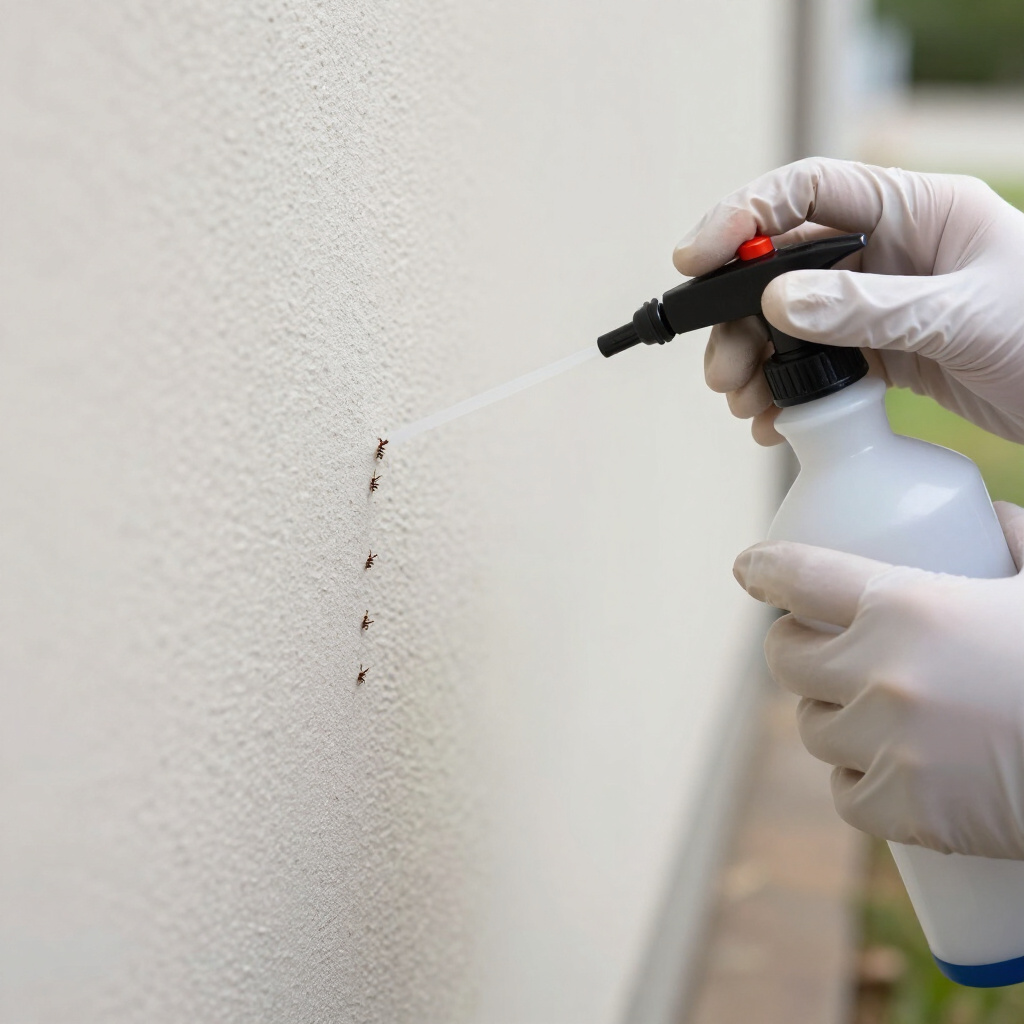
There's something genuinely satisfying about solving a problem with your own two hands. For minor, isolated pest issues, DIY methods can absolutely do the trick. A few ants trailing to a dropped crumb? A store-bought bait station or a simple vinegar-and-water spray might clear them right up. A single wasp nest visible and accessible on your eaves? An over-the-counter aerosol could handle it safely if you follow the label precisely. The real appeal of DIY pest control is immediacy and cost. You can drive to the hardware store today, spend maybe $15 to $40, and feel like you're taking action. For prevention, DIY shines even brighter. Sealing cracks with caulk, keeping food in airtight containers, trimming vegetation away from your foundation, and maintaining dry conditions in basements and crawl spaces are all powerful, effective measures that don't require a professional license. However, DIY reaches its limits quickly. Most over-the-counter products are formulated at lower concentrations than what professionals can access, and they're designed to kill the pests you see—not the ones hiding. Many pests, from German cockroaches to bed bugs, reproduce faster than consumer products can eliminate them. Misapplication is another genuine risk. Using too much product, applying it in the wrong areas, or mixing incompatible chemicals can create health hazards for your family and pets. Perhaps most frustratingly, DIY attempts on established infestations often just push pests deeper into walls and voids, making eventual professional treatment more complex and expensive.
Hiring a Professional: What Expertise Actually Delivers
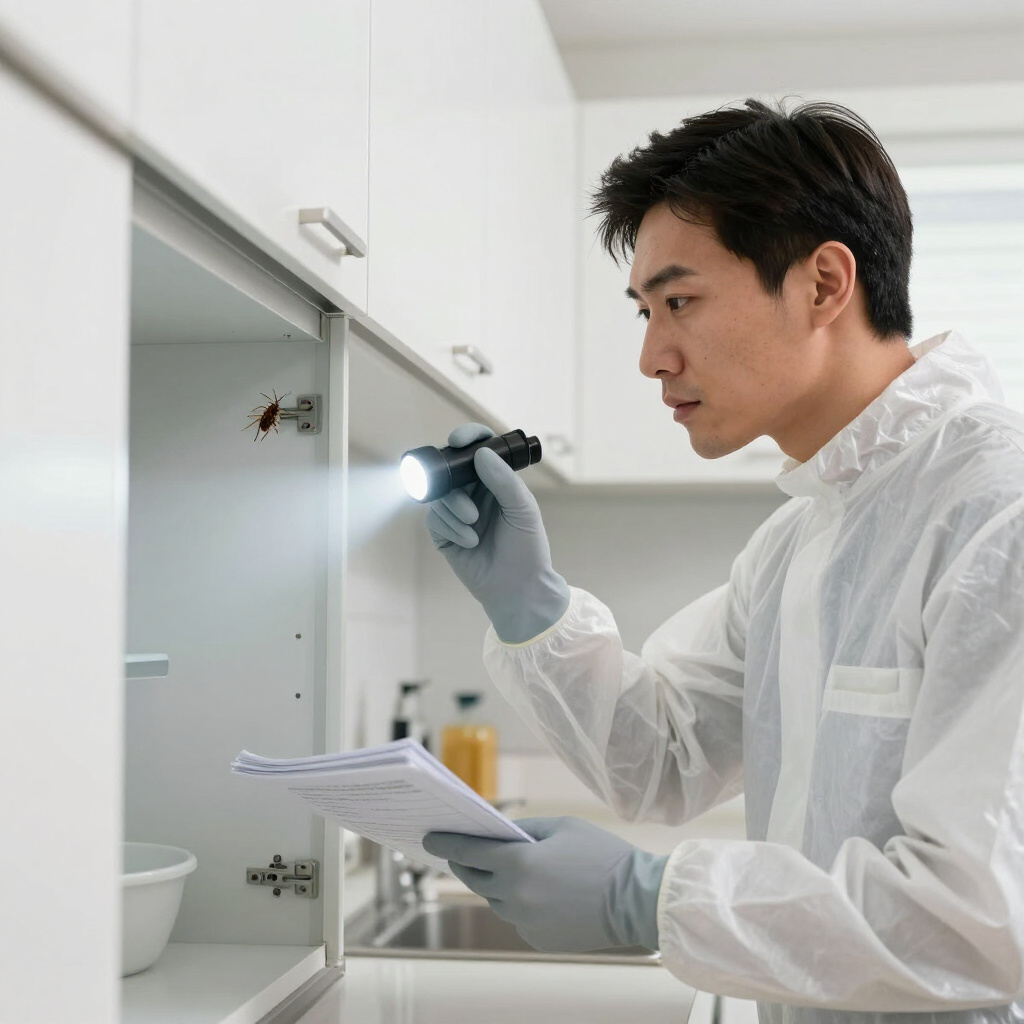
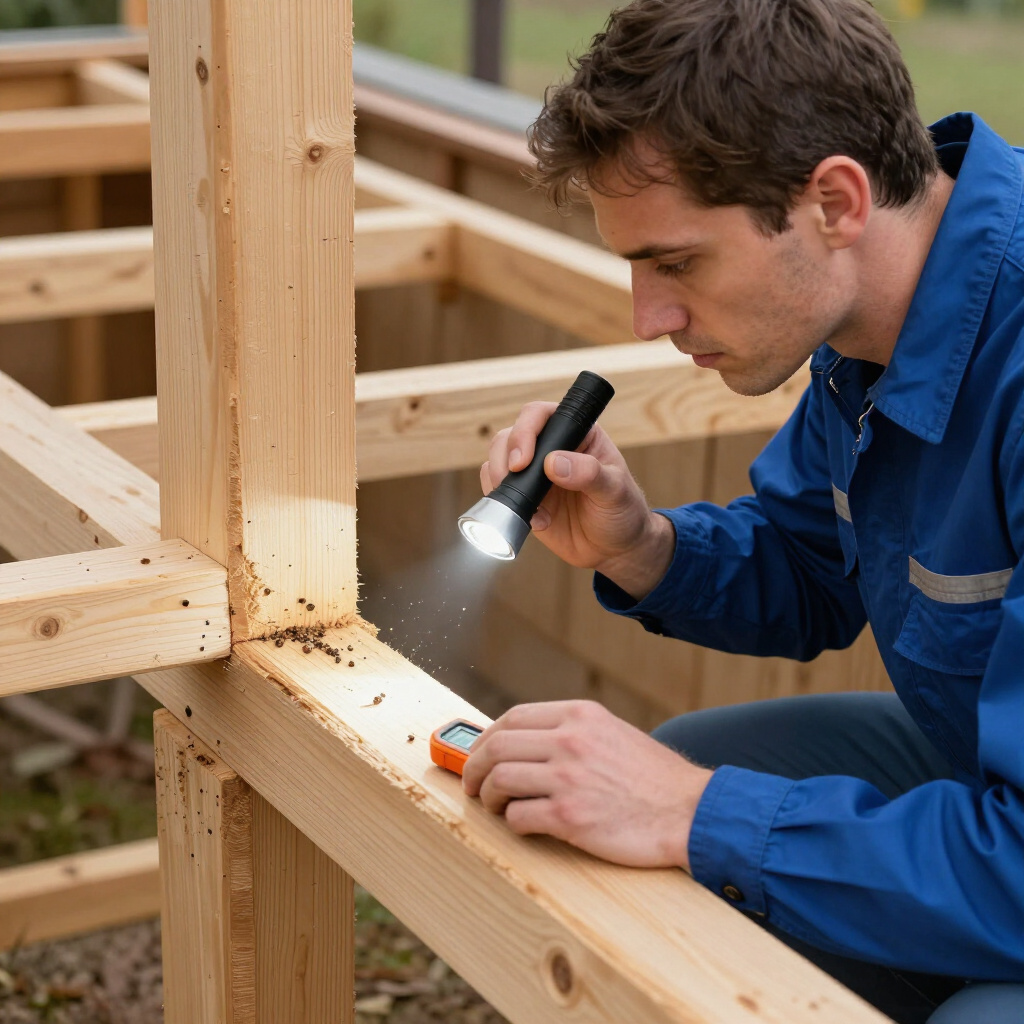
Professional pest control brings something that no hardware store purchase can: trained eyes and strategic thinking. A licensed technician doesn't just treat symptoms—they investigate causes. They know that the ants in your kitchen might be nesting in a moisture-damaged window frame twenty feet away, or that those occasional mice sightings actually indicate a much larger population in your attic insulation. Professionals have access to commercial-grade products, specialized equipment, and application techniques developed through ongoing training and certification requirements. They understand pest biology and behavior intimately—knowing, for instance, that certain termite treatments require precise soil penetration around your entire foundation, or that bed bug heat treatment must reach and maintain specific temperatures throughout a room to be truly effective. Beyond immediate elimination, professionals build integrated pest management plans. They identify conditions around your property that invite problems, recommend structural improvements you might never have considered, and provide scheduled monitoring that catches issues before they explode. Many companies also offer guarantees, returning at no extra charge if pests persist—a safety net no DIY approach provides. The investment is obviously higher upfront, typically ranging from $100 for a single targeted treatment to several hundred dollars for comprehensive services or ongoing protection plans. But when you're dealing with wood-destroying organisms, health-compromising infestations like cockroaches or rodents, or any pest that's causing genuine distress, that cost often reflects value rather than expense.
Key Tips for Deciding Your Best Path
Choosing between DIY pest control and professional help doesn't have to be complicated. Start by honestly assessing the situation. Ask yourself: How long have I been seeing pests? Am I finding droppings, shed skins, or damage indicating an established population? Is this a seasonal nuisance or a year-round problem? Have my own efforts already failed once? For truly minor, first-time occurrences with no signs of nesting or reproduction, a careful DIY approach makes sense. Read product labels completely—seriously, every word. The label is legally binding and contains essential safety and application information. Keep children and pets away from treated areas for the specified re-entry interval. Store all products in their original containers, locked and out of reach. Call a professional immediately if you're dealing with termites or carpenter ants, which can cause structural damage that grows exponentially more expensive. Bed bugs, with their remarkable resilience and rapid spread, also warrant expert intervention from the start. Multiple failed DIY attempts, recurring problems in the same area, or any situation where you're seeing pests daily all indicate that household products aren't sufficient. Trust your instincts too—if you're losing sleep, feeling anxious in your own home, or simply overwhelmed by the scope of what you're facing, that's reason enough to bring in help. If you do hire a professional, vet them carefully. Verify licensing through your state's regulatory agency, ask about their specific experience with your pest problem, request a written inspection report and treatment plan, and understand what guarantees apply and what follow-up service includes.
Final Thoughts
Neither DIY pest control nor professional service is universally "better"—they serve different needs at different moments. The savvy homeowner knows when to grab a caulking gun and when to pick up the phone. Prevention and minor issues often fall comfortably within capable DIY territory. Established infestations, destructive pests, and situations affecting your peace of mind deserve professional expertise. Many homeowners actually use both approaches strategically: handling routine prevention themselves while maintaining a relationship with a trusted pest control company for annual inspections and any problems that escalate beyond their comfort zone. Your home is your sanctuary, and protecting it effectively means matching the right tools to the right challenge. Whether that toolbox contains spray bottles or the phone number of a seasoned professional, what matters most is taking informed, timely action before small problems become big ones.